ULA rocket launch failure has led to the destruction of 40 Amazon satellites, marking a significant setback for SpaceX rivals. This incident raises questions about the reliability of current space launch systems.
Overview of the ULA Rocket Launch
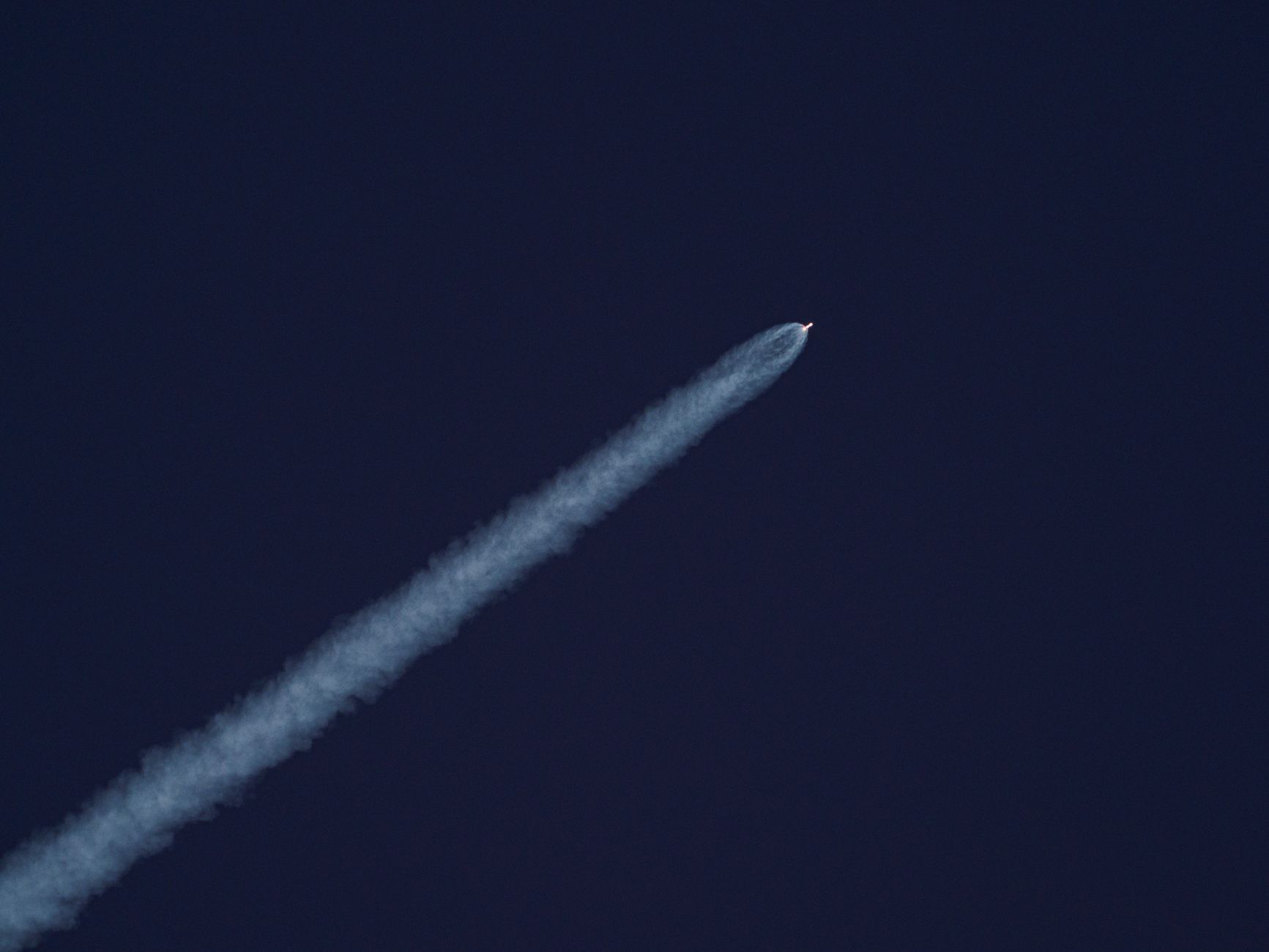
The recent ULA rocket launch failure has sent shockwaves through the aerospace industry, particularly affecting the deployment of crucial satellite networks. During the launch, which was intended to place 40 Amazon satellites into orbit, a catastrophic malfunction occurred shortly after liftoff, resulting in the destruction of the payload and the rocket.
Experts are now analyzing the sequence of events leading to this setback. The ULA rocket, known for its reliability, encountered an anomaly that caused it to veer off course. Initial reports suggest that a combination of technical glitches and environmental factors may have contributed to the failure.
This incident is particularly significant as it marks a major setback for ULA, a key competitor to SpaceX in the commercial space launch market. The loss of 40 Amazon satellites not only impacts the company’s plans for enhancing global internet coverage but also raises concerns about the future of satellite launches.
As investigations proceed, the aerospace community is eager to learn from this ULA rocket launch failure to prevent similar issues in future missions. The repercussions of this event will likely influence both the company’s strategies and the industry’s approach to rocket safety.
Impact on Amazon’s Satellite Network
The recent ULA rocket launch failure has significant implications for Amazon’s satellite network, particularly its Project Kuiper initiative aimed at providing global broadband coverage. With the destruction of 40 satellites in the failed launch, Amazon faces a substantial delay in its plans to deploy thousands of satellites in low Earth orbit.
The loss of these satellites not only hinders Amazon’s timeline but also impacts competition in the rapidly evolving satellite internet market. Key aspects of the fallout include:
- Delayed Deployment: The failure pushes back the timeline for Amazon to compete with established players like SpaceX and OneWeb.
- Increased Costs: The company may incur additional costs in redesigning and launching replacement satellites, straining its budget.
- Market Confidence: Investor confidence may wane as stakeholders assess the reliability of ULA and the viability of Amazon’s satellite ambitions.
As Amazon recalibrates its strategy in light of the ULA rocket launch failure, the setback serves as a crucial reminder of the unpredictability associated with space ventures. The company must now work diligently to ensure future launches are successful and regain momentum in its satellite deployment efforts.
Consequences for SpaceX Rivals
The recent ULA rocket launch failure has sent shockwaves through the aerospace community, particularly among competitors of SpaceX. The destruction of 40 Amazon satellites not only represents a significant financial loss but also raises questions about the reliability of ULA’s launch capabilities.
This incident could have rippling effects across the industry, leading to increased scrutiny on ULA and its operations. Rivals like SpaceX, which has consistently demonstrated a robust track record of successful launches, may find themselves in a more favorable position as potential clients seek alternatives.
Furthermore, the failure may result in a shift in contracts and partnerships. Companies that were previously considering ULA for satellite launches might reevaluate their options, looking towards more reliable providers.
In the wake of this setback, ULA will need to address the root causes of the launch failure swiftly and transparently to restore confidence among its clients and stakeholders.
Ultimately, the ULA rocket launch failure serves as a reminder of the high stakes involved in space launches, where setbacks can have far-reaching consequences for entire networks and the competitive landscape of the aerospace industry.
Analysis of Launch Failures
The recent ULA rocket launch failure has raised significant questions regarding the reliability of current space launch systems. Analysts are now scrutinizing the factors that contributed to this setback, particularly given the mission’s crucial objective of deploying satellites for Amazon’s growing network.
Experts have identified several potential causes that may have led to the failure:
- Technical Malfunctions: Initial reports suggest that a malfunction in the rocket’s guidance system may have compromised the mission.
- Human Error: Investigators are considering the possibility of human error during the pre-launch checks, which might have overlooked critical issues.
- Environmental Conditions: Unfavorable weather conditions could have also played a role, although this remains to be fully assessed.
As the investigation unfolds, the implications of the ULA rocket launch failure extend beyond just this incident. The loss of 40 Amazon satellites not only impacts the company’s ambitions but also affects competitors in the space sector. As the industry evolves, ensuring robust launch capabilities will be paramount to maintaining competitive edges among firms vying for dominance in satellite deployment.
Future of Space Launches
The recent ULA rocket launch failure has raised significant concerns about the future of space launches, particularly in the competitive market for satellite deployment. As companies like Amazon invest heavily in satellite technology to provide global internet coverage, setbacks such as this can have far-reaching implications.
Industry experts are now questioning the reliability of ULA’s launch systems. Any extended delays in their schedule could lead to missed opportunities for companies reliant on timely satellite deployments. In light of this incident, industry stakeholders are considering several key factors:
- Technological Improvements: There is a growing need for advancements in rocket design and launch procedures to prevent similar failures.
- Regulatory Scrutiny: Increased oversight from regulatory bodies may become necessary to ensure safety and reliability in future launches.
- Market Dynamics: The failure may alter the competitive landscape, prompting rivals like SpaceX to capitalize on ULA’s misstep.
Ultimately, the future of space launches will depend on how quickly and effectively ULA addresses the challenges posed by this launch failure, and whether they can restore confidence in their capabilities moving forward.
Expert Opinions on ULA’s Performance
Experts are weighing in on the recent ULA rocket launch failure, which has raised significant concerns regarding the reliability of United Launch Alliance’s operations. Dr. Emily Chen, a prominent aerospace engineer, noted, “This incident highlights the need for rigorous pre-launch checks and better quality control in the manufacturing process.”
Many industry analysts believe that this setback could have long-term implications for ULA’s reputation. Mark Thompson, a space policy expert, stated, “Failures like this one can undermine confidence not only in ULA but in the broader commercial space sector.” He emphasized the importance of transparency in addressing the issues that led to the rocket’s failure.
Additionally, Dr. Raj Patel, a former NASA engineer, remarked, “With the growing competition from SpaceX, ULA must adapt quickly to avoid further setbacks.” He suggested that investing in new technologies and refining operational strategies could help ULA recover from this launch failure.
As the space community reflects on this incident, it is clear that the ULA rocket launch failure serves as a cautionary tale, urging all companies to prioritize safety and reliability in their missions.
Photo by Dirk Schuneman on Pexels