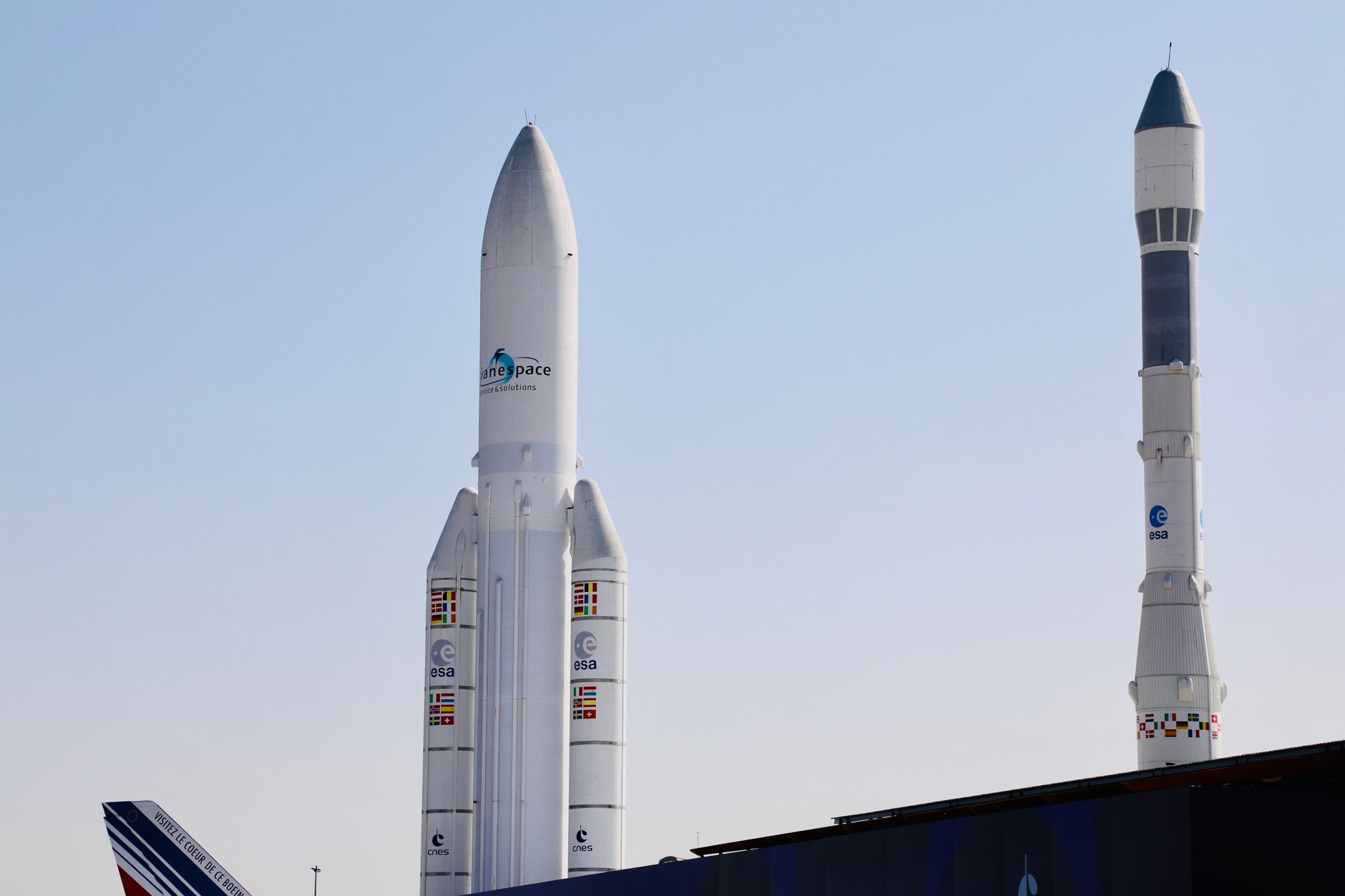
ISRO launch pads are crucial for India’s ambitious space program. The Indian Space Research Organisation plans to construct four functional launch pads by 2029, marking a significant milestone in its space exploration efforts.
Overview of ISRO’s plans
The Indian Space Research Organisation (ISRO) has set ambitious goals for the upcoming years, particularly with plans to enhance its launch capabilities. By 2029, ISRO aims to construct four functional launch pads, which will play a crucial role in supporting its expanding space missions.
These new ISRO launch pads are designed to accommodate a variety of rockets and payloads, ensuring that the organisation can meet the increasing demands of both domestic and international space endeavors. The strategic development of these facilities is expected to significantly improve the turnaround time for launches and provide greater flexibility in scheduling missions.
In addition to boosting launch capacity, these plans also reflect ISRO’s commitment to advancing its technological prowess. The new launch pads will feature state-of-the-art infrastructure and support systems, making them more efficient and capable of handling complex missions.
Furthermore, the initiative is part of a broader vision to establish India as a prominent player in the global space industry. As ISRO continues to innovate and expand, the successful implementation of these launch pads will be vital for achieving its long-term objectives.
Importance of new launch pads
The expansion of ISRO launch pads is crucial for enhancing India’s capabilities in space exploration and satellite deployment. The addition of new launch pads will not only increase the frequency of launches but also allow for a broader range of missions. This expansion is particularly important as the demand for satellite launches continues to grow globally.
New launch pads will provide several benefits:
- Increased Capacity: More launch pads mean that ISRO can accommodate multiple missions simultaneously, reducing wait times and improving overall efficiency.
- Diverse Launch Options: With advanced technology and new launch pads, ISRO can cater to a variety of mission profiles, from low Earth orbit to interplanetary missions.
- Improved Reliability: Modernized facilities will enhance the reliability of launch operations, ensuring that missions are less likely to face delays or technical issues.
- Economic Growth: The development of launch pads will contribute to the local economy, creating jobs and fostering innovation in the aerospace sector.
In conclusion, the establishment of new ISRO launch pads plays a vital role in securing India’s position as a leader in the global space industry, paving the way for future advancements and explorations.
Timeline for completion
The timeline for the completion of ISRO’s new launch pads is a crucial aspect of its ambitious plans for 2029. The Indian Space Research Organisation has outlined a structured approach to ensure that the development of these facilities meets the growing demands of space exploration and satellite deployment.
According to ISRO officials, the project is set to unfold in several phases:
- Phase 1: Initial groundwork and survey, expected to begin in early 2024. This phase will involve site assessments and environmental clearances.
- Phase 2: Construction of the first two launch pads, slated for completion by mid-2026. This will include the implementation of state-of-the-art technology and infrastructure.
- Phase 3: The subsequent two launch pads will be developed, with a target completion date set for late 2028.
By adhering to this timeline, ISRO aims to have all four functional launch pads operational by 2029, significantly enhancing India’s capabilities in space missions. This strategic initiative underscores ISRO’s commitment to advancing its space program and boosting the nation’s position in the global space industry.
Impact on India’s space missions
The development of new ISRO launch pads is set to significantly enhance India’s capabilities in space exploration and satellite deployment. With the planned construction of four functional launch pads by 2029, the Indian Space Research Organisation aims to streamline its launch operations and increase the frequency of missions.
These advancements are expected to have several key impacts on India’s space missions:
- Increased Launch Frequency: The new launch pads will allow for simultaneous preparations of multiple rockets, effectively reducing turnaround times between launches.
- Diverse Mission Profiles: Enhanced infrastructure will facilitate a wider range of missions, including more complex interplanetary explorations and commercial satellite deployments.
- International Collaboration: Improved launch facilities may attract partnerships with other space agencies and private companies, promoting collaborative missions and technology sharing.
- Economic Growth: A robust launch capability can stimulate India’s space economy, creating jobs and opportunities in the burgeoning aerospace sector.
In conclusion, the strategic investment in ISRO launch pads is a forward-looking move that positions India as a formidable player on the global space stage, paving the way for more ambitious and impactful space missions in the coming years.
In the coming years, the development of ISRO launch pads will play a crucial role in supporting ambitious missions aimed at exploring deeper into space. The strategic enhancements planned for ISRO launch pads are set to ensure that India remains at the forefront of space exploration by 2029.