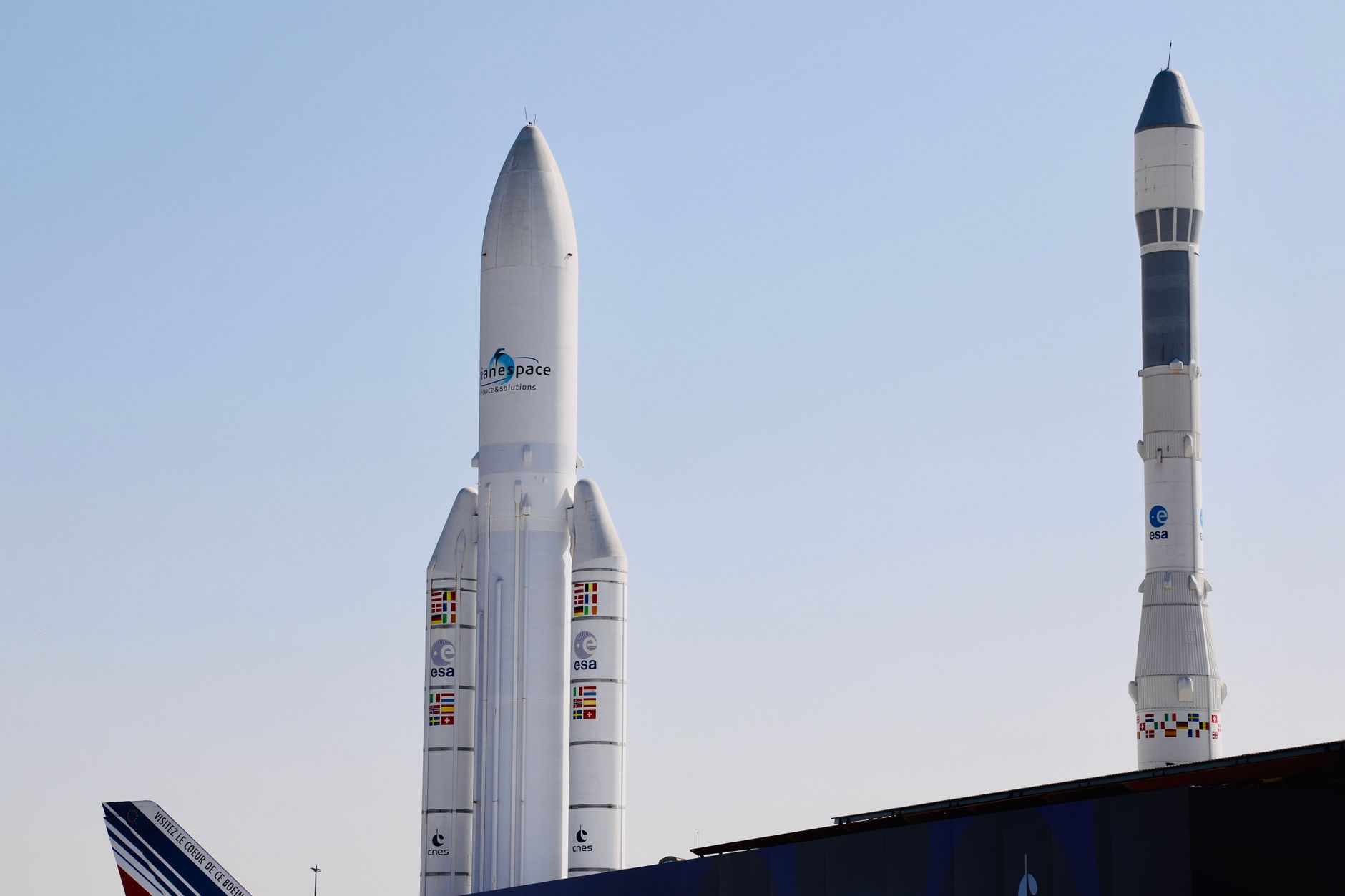
China satellite launch has captured global attention as the country successfully deployed nine satellites from the sea using the Gravity-1 rocket.
Overview of China’s Satellite Launch
China has successfully demonstrated its capabilities in space innovation with the recent launch of nine satellites. This event marks a significant milestone in the country’s satellite launch program, showcasing advancements in technology and operational efficiency.
The launch, executed from a maritime platform, utilized the new Gravity-1 rocket, a testament to China’s growing expertise in sea-based operations. The strategic decision to launch from the sea not only enhances flexibility but also reduces environmental impact on populated areas.
Among the satellites deployed, several are intended for Earth observation and scientific research, further enriching China’s satellite capabilities. This launch is part of a broader initiative aimed at increasing satellite deployment frequency and improving communication networks.
As the global demand for satellite technology escalates, China’s satellite launch endeavors illustrate its commitment to being a leader in space innovation.
The Role of the Gravity-1 Rocket
The recent China satellite launch marked a significant milestone in the country’s space exploration efforts, particularly with the utilization of the Gravity-1 rocket. This innovative rocket is designed to enhance satellite deployment efficiency and reliability.
Key features of the Gravity-1 rocket include:
- Advanced Propulsion System: The rocket incorporates a state-of-the-art propulsion system that improves thrust and fuel efficiency.
- Modular Design: Its modular structure allows for quick adjustments and upgrades, facilitating diverse mission profiles.
- Launch Flexibility: Gravity-1 can be launched from various platforms, including sea-based options, which broadens operational capabilities.
As China’s satellite launch initiatives continue to evolve, the Gravity-1 rocket plays a crucial role in shaping the future of space innovation, enabling the deployment of multiple satellites in a single mission.
Significance of Launching from the Sea
The significance of launching from the sea cannot be overstated in the context of China’s satellite launch initiatives. This innovative approach offers several advantages that enhance operational efficiency and access to space.
- Reduced Risk: Launching from maritime locations minimizes the risk to populated areas, ensuring safety during liftoff.
- Flexible Launch Sites: The ability to choose various sea locations provides more flexibility in targeting specific orbits.
- Cost-Effectiveness: Utilizing ships for launches can lower infrastructure costs associated with traditional land-based facilities.
- Environmental Impact: Sea launches can potentially reduce the environmental footprint compared to land-based alternatives.
As China continues to advance its capabilities in satellite launches, the maritime strategy exemplifies a forward-thinking approach in the realm of space innovation, setting a precedent for future missions.
Implications for Future Space Missions
The recent China satellite launch marks a significant milestone in the country’s space exploration efforts. With the successful deployment of nine satellites, experts predict several implications for future space missions.
Firstly, the use of the Gravity-1 rocket demonstrates enhanced reliability and efficiency, paving the way for more frequent launches. This could lead to a reduction in costs and an increase in satellite deployment opportunities.
Secondly, launching from the sea opens new avenues for operations. It allows for flexibility in launch locations, minimizing the impact on populated areas and reducing logistical challenges.
Additionally, this approach may inspire other nations to explore maritime launch options, potentially leading to collaborative efforts in space technology and exploration.
As a result, the advancements seen in this launch are likely to set a precedent for future innovations in satellite technologies and international partnerships in space endeavors.
Public Reaction to the Launch
The recent China satellite launch has sparked a wave of reactions from both the public and experts in the space community. Many citizens expressed pride in their country’s advancements in space technology, viewing the launch as a testament to China’s growing capabilities. Social media platforms buzzed with excitement as videos of the launch circulated, showcasing the successful deployment of nine satellites.
However, opinions were mixed among experts. Some praised the innovative use of the Gravity-1 rocket, noting its potential to enhance future missions. Others raised concerns about the environmental impact of launching from the sea and the need for sustainable practices in space exploration.
In general, the enthusiasm surrounding the launch reflects a broader interest in space innovation, with many hoping that China’s achievements will inspire future generations to pursue careers in science and technology.
Comparing China’s Launch with Other Countries
As nations around the globe ramp up their space exploration efforts, China’s satellite launch stands out for its unique approach and technological advancements. Several countries have recently made significant strides in satellite deployment, yet China’s methods present a distinctive model worth examining.
In the United States, the reliance on traditional land-based launch sites has been the norm, which can complicate logistics and increase costs. Conversely, China’s ability to launch satellites from the sea allows for greater flexibility and potentially lower expenses.
Countries like India and Russia have also made notable contributions to satellite technology, focusing on cost-effective solutions and innovative payloads. However, China’s commitment to developing new rocket technologies, like the Gravity-1, positions it as a formidable player in the field.
This comparative analysis reveals that while many nations pursue similar goals, China’s strategies in satellite launches may influence future global standards in space innovation.
The recent China satellite launch has showcased the country’s advancements in technology and engineering. As a result, the China satellite launch is paving the way for future space exploration initiatives.
Photo by Léa Claisse on Pexels