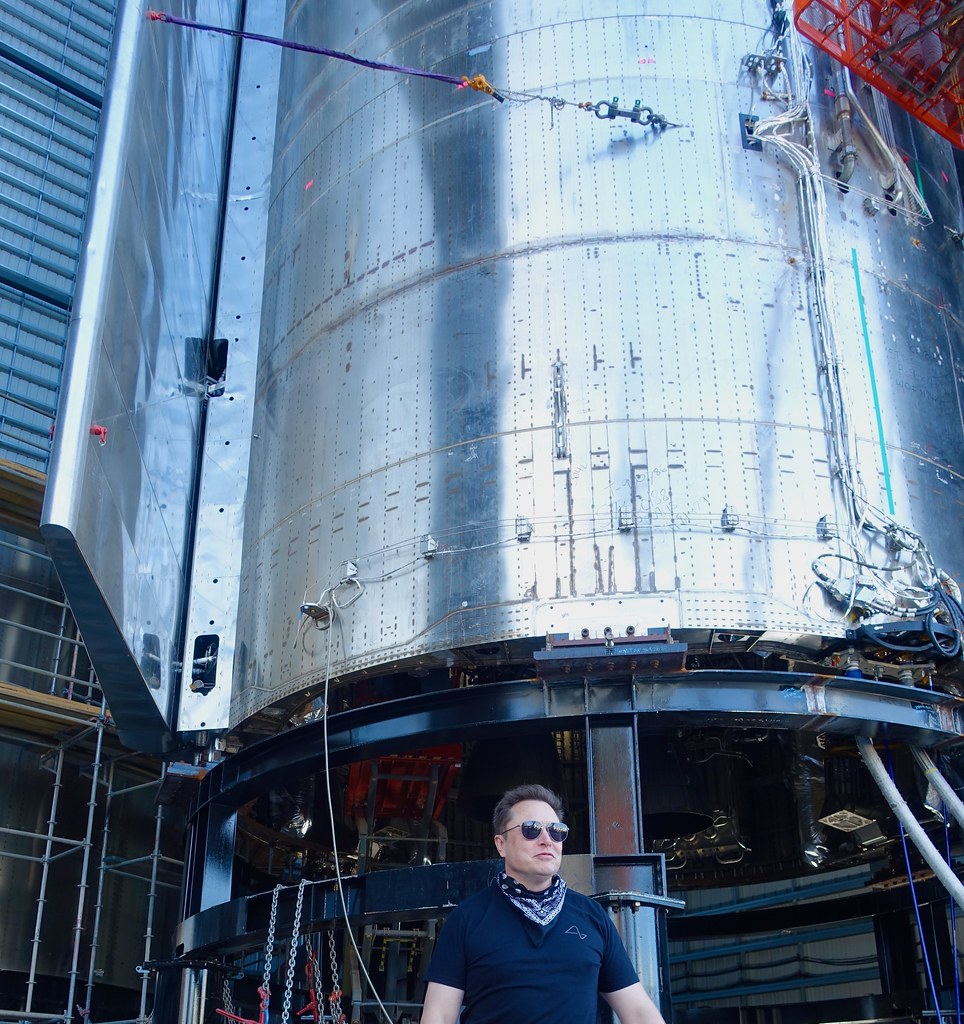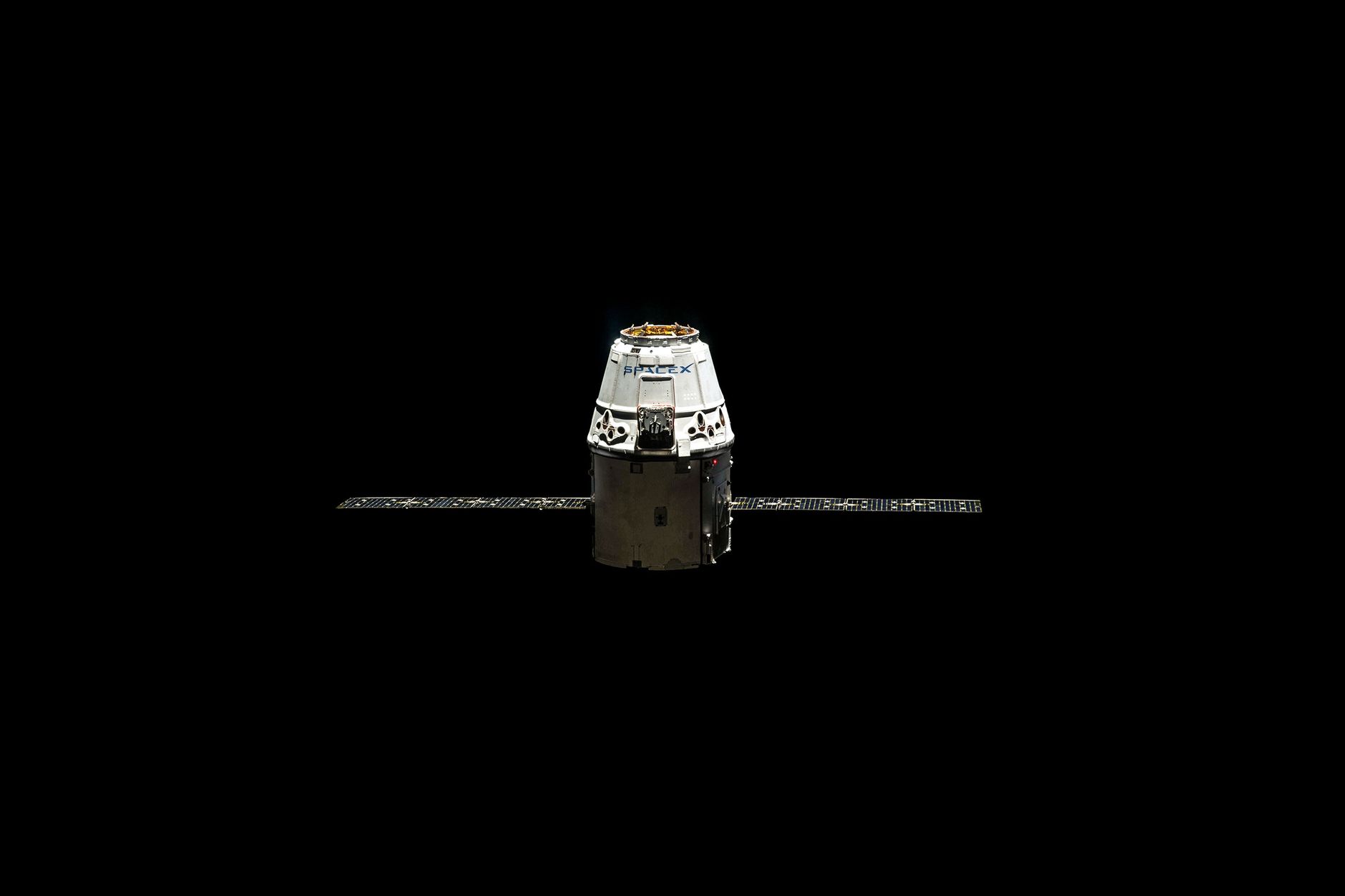
SpaceX Starship return is a groundbreaking achievement as it successfully caught the spacecraft after a blistering 17,000 mph orbital re-entry. This historic feat showcases advancements in space technology.
Overview of SpaceX’s Historic Return
SpaceX achieved a significant milestone with the historic return of its Starship, marking a pivotal moment in space exploration. The spacecraft successfully re-entered Earth’s atmosphere at an astonishing speed of 17,000 mph, demonstrating the advanced engineering capabilities of the SpaceX team.
This event not only showcases SpaceX’s innovative technology but also sets a precedent for future space missions. The Starship’s return was meticulously planned and executed, highlighting the importance of precision in aerospace operations. The company utilized a combination of cutting-edge materials and design strategies to withstand the extreme conditions faced during re-entry.
SpaceX’s Starship return has implications beyond just this mission. It serves as a foundation for upcoming projects, including missions to the Moon and Mars. The successful recovery of the spacecraft illustrates the feasibility of reusable rockets, which could significantly reduce the cost of access to space.
- Milestone achievement: First successful catch of a returning spacecraft.
- Technical excellence: Engineering innovations that allow for high-speed re-entry.
- Future missions: Setting the stage for deep space exploration.
As SpaceX continues to push the boundaries of space travel, the Starship return marks a significant step forward in the journey to make space more accessible.
The Technology Behind the Catch
The recent SpaceX Starship return marks a significant milestone in aerospace engineering, showcasing advanced technology that redefines space travel. This impressive feat was achieved through a combination of innovative design and cutting-edge materials.
One of the key components of this technology is the use of heat shields made from specialized ceramics that can withstand extreme temperatures during re-entry. These shields ensure that the spacecraft remains intact as it descends through the atmosphere at speeds exceeding 17,000 mph.
Additionally, the Starship’s aerodynamic shape plays a crucial role in its ability to maneuver during descent. By utilizing a series of grid fins, which deploy at high speeds, the spacecraft can adjust its trajectory and stabilize itself for a safe landing.
Another remarkable aspect is the implementation of autonomous landing technology. This allows the Starship to make real-time adjustments based on environmental conditions, ensuring a smooth and controlled return to Earth.
As SpaceX continues to refine these systems, the potential for future missions grows, paving the way for more ambitious exploration beyond our planet.
Impact on Future Space Missions
The successful return of the SpaceX Starship marks a significant milestone for future space missions. As the first spacecraft to be caught after an orbital re-entry at speeds of 17,000 mph, this event showcases the potential for reusability in space travel.
Experts believe that the techniques developed during the Starship return will pave the way for more ambitious missions beyond Earth. The ability to recover spacecraft safely can drastically reduce costs, making space exploration more accessible.
Moreover, the data collected during this historic return will inform the design of upcoming missions. Key benefits include:
- Enhanced Safety: Improved recovery methods can lead to safer missions for astronauts.
- Increased Efficiency: Rapid turnaround for spacecraft could allow for more frequent launches.
- Broader Reach: With reduced costs, missions to the Moon, Mars, and beyond may become feasible.
In summary, the SpaceX Starship return not only showcases innovative technology but also sets the stage for a new era in space exploration, inspiring future generations to reach for the stars.
Challenges Faced During Re-entry
The return of SpaceX’s Starship was not without its challenges, as the spacecraft encountered several obstacles during its re-entry into Earth’s atmosphere. These hurdles highlighted the complexities of safely bringing a vehicle back from orbit at speeds exceeding 17,000 mph.
One of the primary concerns was the extreme heat generated during re-entry. As the spacecraft plummeted toward Earth, it faced temperatures reaching upwards of 3,000 degrees Fahrenheit. To combat this, SpaceX utilized innovative thermal protection systems, which played a crucial role in preserving the integrity of the vehicle.
In addition to thermal challenges, the aerodynamic forces acting on the Starship during descent posed significant risks. The spacecraft had to maintain stability while navigating through turbulent air currents, which could easily lead to loss of control.
Moreover, the timing of the catch was critical. Coordinating the capture mechanism to work seamlessly with the spacecraft’s descent trajectory required precise calculations and real-time adjustments. These factors combined made the SpaceX Starship return a remarkable feat of engineering and determination.
Ultimately, overcoming these challenges not only marked a significant milestone for SpaceX but also paved the way for future missions in space exploration.
Public Reaction to the Event
The public reaction to the SpaceX Starship return has been overwhelmingly positive, with many expressing awe at the technological achievement. Social media platforms have been flooded with excitement as users share videos and images of the spacecraft’s landing.
- Excitement: Many space enthusiasts described the event as a “dream come true,” highlighting the importance of such milestones in human space exploration.
- Community Engagement: Live streams of the landing attracted thousands of viewers, showcasing the growing interest in space travel and innovation.
- Criticism: While the majority praised the success, some skeptics raised concerns about the environmental impact of rocket launches, prompting discussions about sustainable practices in aerospace.
- Future Aspirations: Many commentators have expressed hope that the SpaceX Starship return will pave the way for future missions to Mars and beyond, igniting dreams of interplanetary travel.
Overall, the event has not only captured the imagination of the public but also sparked conversations about the future of space travel and humanity’s role in the cosmos. It is a testament to how far technology has come and what lies ahead in the realm of exploration.
What’s Next for SpaceX?
As the world reflects on the monumental SpaceX Starship return, many are curious about what lies ahead for the aerospace company. With this successful catch of the Starship, SpaceX has set a new benchmark in reusability and efficiency, paving the way for future missions that could redefine space travel.
Looking forward, SpaceX plans to leverage the technology and lessons learned from the recent event to enhance its next-generation spacecraft. The company aims to push the boundaries of exploration, including manned missions to Mars and beyond. CEO Elon Musk has hinted at ambitious timelines to establish a human presence on other planets, making this a pivotal moment in the race for interplanetary colonization.
In addition to upcoming missions, SpaceX is expected to focus on:
- Enhancing Safety Protocols: Implementing new measures to ensure crew safety during future launches.
- Expanding Launch Capabilities: Increasing the frequency and scope of launches to accommodate burgeoning demands.
- International Collaborations: Partnering with space agencies and private entities to expand its reach.
As SpaceX continues to innovate, the excitement surrounding its future initiatives remains palpable.
The recent SpaceX Starship return marks a significant milestone in the journey of reusable space travel. Enthusiasts and experts alike are eager to analyze the implications of the SpaceX Starship return for future missions.
Photo by Pixabay on Pexels