

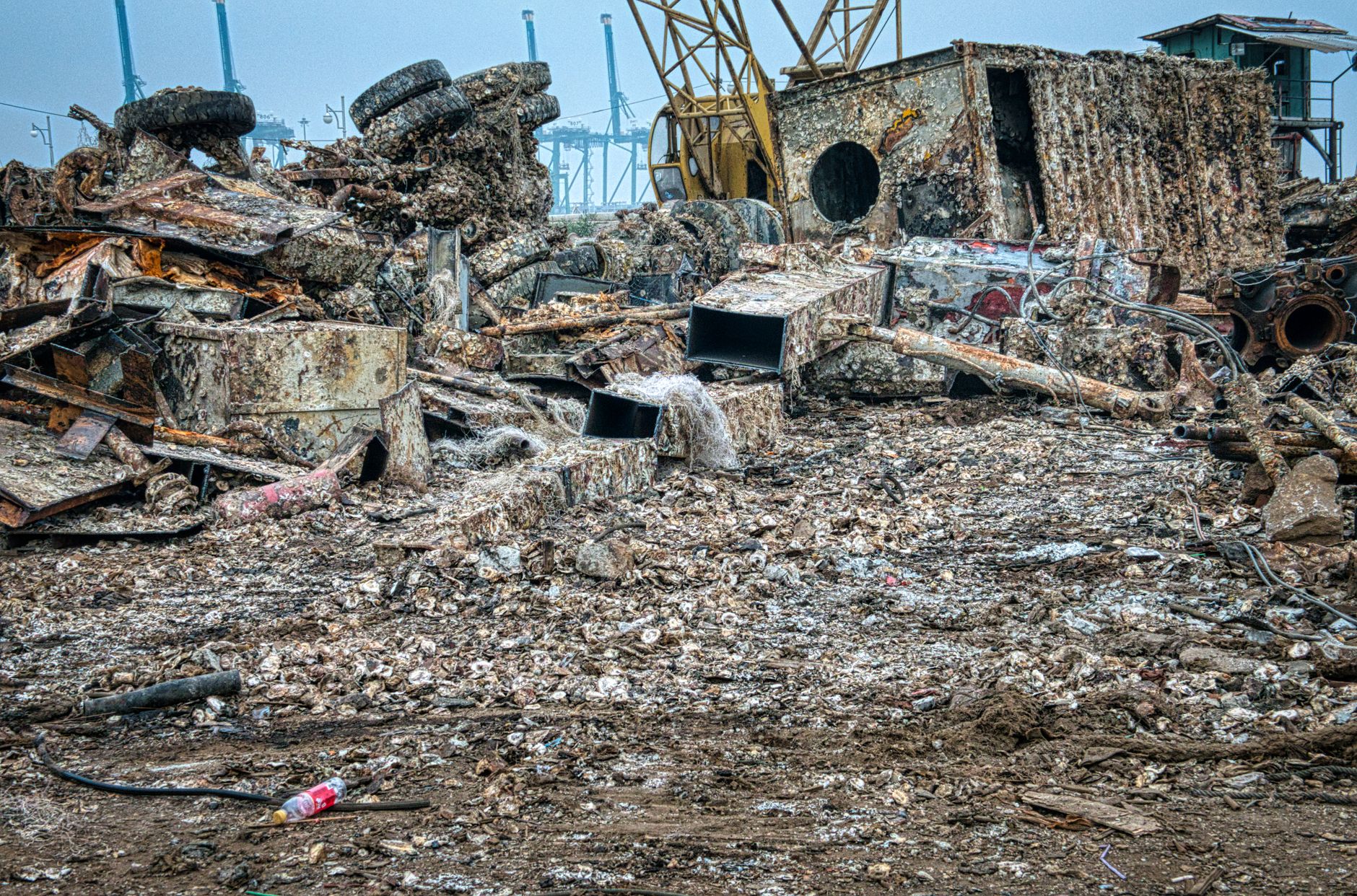
radioactive waste ocean dumping has been a concerning issue since the mid-20th century. Between 1946 and 1970, the United States disposed of thousands of containers in the ocean, leading to environmental implications.
The History of Radioactive Waste Disposal
The history of radioactive waste ocean dumping dates back to the mid-20th century when various countries sought ways to dispose of their hazardous materials. Between 1946 and 1970, the United States became one of the primary offenders, dumping approximately 47,800 containers of radioactive waste into the ocean west of San Francisco.
This practice was largely unregulated, and many containers missed their designated sites, leading to a widespread scattering of drums across an area of about 1,400 square kilometers of seafloor. The consequences of this negligence have sparked ongoing debates regarding environmental safety and the long-term impacts on marine ecosystems.
Countries worldwide have since reconsidered their approaches to waste management, yet the legacy of these early dumping practices continues to pose significant challenges. The issue of radioactive waste ocean dumping remains a critical topic for environmentalists and policymakers as they strive to prevent similar disasters in the future.
How Much Waste Was Dumped in the Ocean?
Between 1946 and 1970, the United States engaged in the controversial practice of radioactive waste ocean dumping, resulting in an estimated 47,800 containers being discarded into the Pacific Ocean. These containers were intended to be deposited at specific sites but many missed their targets, leading to a widespread distribution of waste. Currently, these drums are believed to be scattered across approximately 1,400 square kilometers of seafloor off the coast of San Francisco.
The ramifications of this dumping are far-reaching, raising significant environmental concerns. The drums are composed of various materials, and over time, they have corroded, potentially releasing hazardous substances into the marine ecosystem.
Environmentalists argue that the ongoing effects of radioactive waste ocean dumping pose a serious threat to marine life and human health, necessitating urgent attention and remediation efforts.
The Impact on Marine Life
The impact of radioactive waste ocean dumping on marine life is profound and alarming. The introduction of radioactive materials into the ocean environment poses significant risks to various species, disrupting ecosystems and food chains.
Studies have shown that exposure to radiation can lead to:
- Genetic mutations: Many marine organisms, including fish and invertebrates, may suffer from altered DNA, affecting their reproduction and survival.
- Population decline: Sensitive species, particularly those at the top of the food chain, may experience drastic reductions in numbers due to bioaccumulation of toxins.
- Behavioral changes: Radioactive contamination can affect the natural behavior of marine creatures, impacting their feeding and mating rituals.
As the drums of radioactive waste remain submerged, the long-term consequences for marine biodiversity continue to unfold, raising urgent concerns about the integrity of ocean ecosystems and the safety of seafood for human consumption.
Current Regulations on Waste Disposal
Current regulations on waste disposal have evolved significantly since the era of widespread radioactive waste ocean dumping. The International Atomic Energy Agency (IAEA) and national governments have implemented stricter guidelines to prevent further environmental contamination.
Key regulations include:
- International Treaties: Agreements such as the London Convention on the Prevention of Marine Pollution by Dumping of Wastes and Other Matter prohibit the disposal of radioactive waste in the ocean.
- National Legislation: Countries have established laws that dictate how radioactive materials must be handled, stored, and disposed of, emphasizing containment and safety measures.
- Monitoring and Enforcement: Regulatory bodies are tasked with monitoring compliance and enforcing penalties for illegal dumping activities.
Despite these advances, concerns remain regarding the long-term management of existing radioactive waste, particularly from earlier ocean disposal practices. The legacy of radioactive waste ocean dumping continues to pose a challenge for environmental protection efforts.
Public Awareness and Concerns
As public awareness of environmental issues grows, concerns regarding radioactive waste ocean dumping have surged. Many citizens are increasingly vocal about the potential dangers associated with the long-term effects of such practices. The alarming history of radioactive waste disposal raises questions about the safety of marine ecosystems and human health.
Environmental groups have rallied to inform the public about the hidden dangers of this contamination, emphasizing that the effects may not be immediately visible. They point out that many communities near coastlines are at risk due to the bioaccumulation of radioactive materials in seafood, which can ultimately affect human diets.
Furthermore, the lack of adequate regulation during the dumping years has left a legacy of uncertainty. In response, advocacy for stricter policies and improved monitoring of marine environments has intensified, as citizens demand transparency and action from their governments to combat this looming environmental disaster.
Efforts to Clean Up the Ocean
In response to the alarming consequences of radioactive waste ocean dumping, various organizations and governments have initiated cleanup efforts aimed at restoring marine ecosystems. These efforts focus on locating and retrieving the abandoned waste containers scattered across the ocean floor.
Key strategies include:
- Mapping and Assessment: Advanced technology, such as underwater drones and sonar imaging, is used to identify and assess the condition of the dumped containers.
- Containment and Removal: Specialized teams are working to safely retrieve the most hazardous materials, minimizing the risk of further contamination.
- Monitoring and Research: Continuous monitoring of marine life and water quality is essential to understand the long-term effects of the past dumping practices.
As awareness grows, public support for these initiatives is vital in pushing for stricter regulations and sustainable practices to prevent future occurrences of radioactive waste ocean dumping.
Future Implications for Coastal Areas
The future implications for coastal areas affected by radioactive waste ocean dumping are alarming and complex. As the remnants of this hazardous material continue to degrade, there are growing concerns about the long-term effects on both the environment and human health.
Coastal communities may face several challenges, including:
- Water Contamination: Polluted water sources can impact drinking water quality and marine ecosystems.
- Fisheries Decline: The presence of radioactive materials can lead to a decline in fish populations, affecting local economies reliant on fishing.
- Health Risks: Increased exposure to radiation poses significant health risks to residents and visitors, particularly through seafood consumption.
As awareness of these issues grows, it becomes imperative for regulatory bodies to implement stricter measures to prevent further dumping and to monitor the existing sites more closely.
Only through concerted efforts can we hope to mitigate the disastrous legacy of past ocean dumping practices.
Conclusion: Addressing the Legacy of Dumping
The legacy of radioactive waste ocean dumping continues to haunt our marine environments and coastal communities. Despite advancements in regulations and cleanup efforts, the long-term consequences of this practice are still not fully understood. The remnants of dumped waste pose a significant risk not only to marine life but also to human health as they can enter the food chain through bioaccumulation.
Addressing the issue requires a multifaceted approach, including:
- Enhanced Monitoring: Implementing robust surveillance systems to track and assess the conditions of dumped sites.
- Public Education: Raising awareness about the dangers of radioactive waste and the importance of protecting our oceans.
- International Cooperation: Collaborating with global entities to establish stricter regulations on nuclear waste disposal.
- Research Initiatives: Investing in studies that explore the ecological impacts of past dumping practices.
Only through collective action can we hope to mitigate the harmful effects of this environmental disaster.
Photo by Tom Fisk on Pexels
Read the original
Related stories
ChatGPT memory feature enhances user interaction with AI · Vivo V80 Specs: The Best Features You Need to Know · Samsung One UI 9 rollout: Easy steps to check your device