

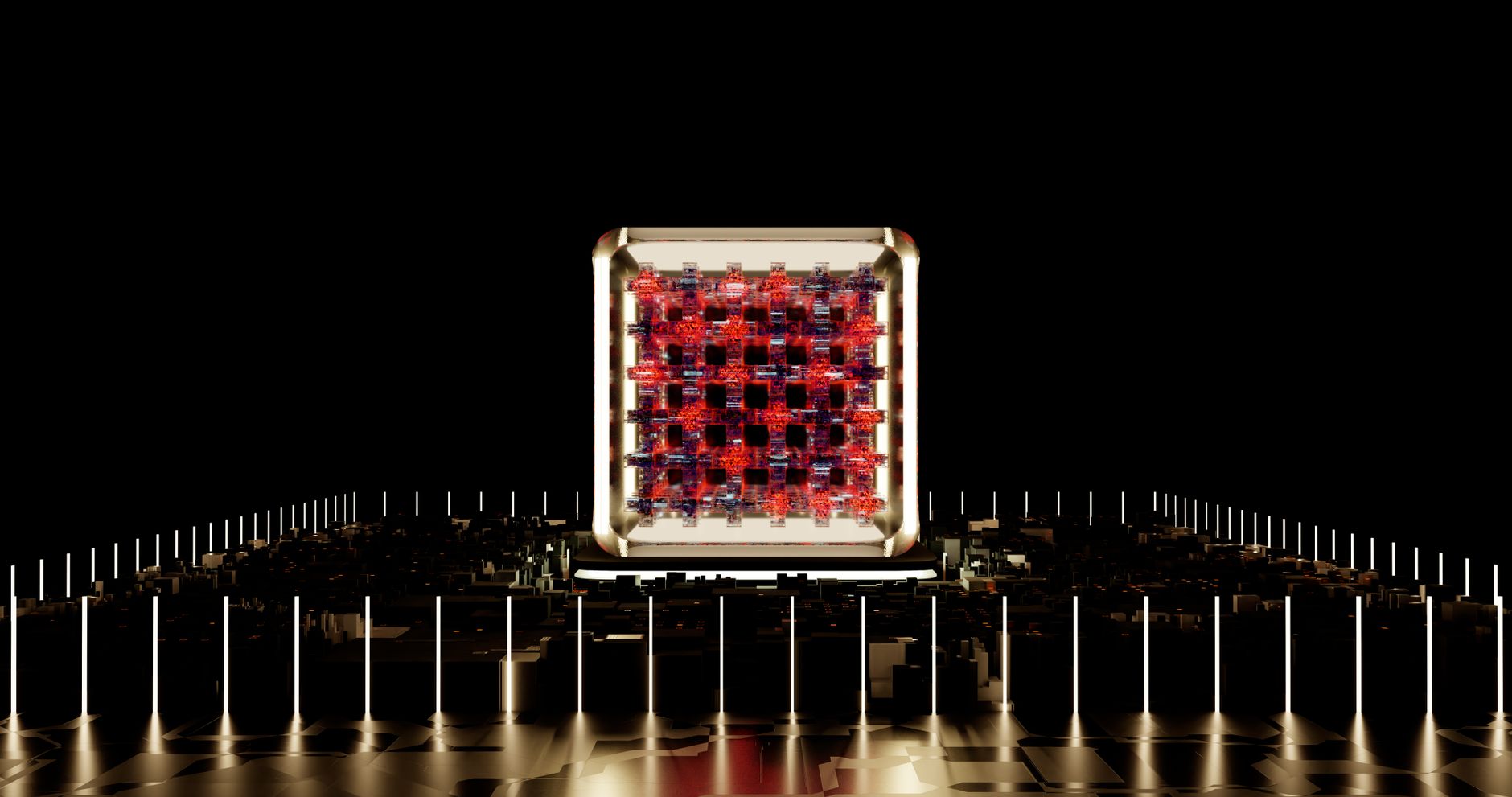
The modular quantum codesign platform is set to revolutionize the tech landscape. Nvidia, IBM, and Fermilab are collaborating to enhance quantum computing capabilities.
Understanding Quantum Computing
Quantum computing represents a revolutionary approach to processing information, utilizing the principles of quantum mechanics to perform calculations at unprecedented speeds. Unlike classical computers that rely on bits as the smallest unit of data, quantum computers use qubits, which can exist in multiple states simultaneously. This allows them to tackle complex problems that would be infeasible for traditional systems.
Recent developments in the field include the announcement of a modular quantum codesign platform by tech giants like Nvidia, IBM, and Fermilab. This platform aims to enhance collaboration among researchers and developers, fostering innovation in quantum technologies. Key features of such platforms include:
- Improved scalability for quantum systems
- Integration of advanced error correction methods
- Facilitation of rapid prototyping and testing
As these organizations push the boundaries of quantum computing, the potential for transformative applications in fields such as cryptography, materials science, and artificial intelligence becomes increasingly tangible.
The Role of Nvidia in Quantum Tech
Nvidia is playing a pivotal role in the development of the modular quantum codesign platform, a collaborative effort that includes tech giants like IBM and Fermilab. This initiative aims to streamline the integration of quantum technologies, enhancing the capabilities of quantum computing systems.
The company recently unveiled a decoder that boasts impressive performance, claiming speeds up to 13,000 times faster than previous models. This leap in technology not only exemplifies Nvidia’s commitment to quantum advancements but also highlights the broader potential of modular quantum codesign platforms in revolutionizing various industries.
By providing the necessary tools and infrastructure, Nvidia is positioning itself as a leader in the quantum tech space. As the industry moves towards more efficient and scalable solutions, the collaboration between Nvidia, IBM, and Fermilab could reshape the future of computing.
IBM’s Contributions to Quantum Codesign
IBM has been a pivotal player in the development of quantum technology, contributing significantly to the emerging modular quantum codesign platform. This platform aims to streamline the integration of various components in quantum computing, making the technology more accessible and efficient for researchers and developers alike.
One of the key aspects of IBM’s approach is its emphasis on collaboration. By partnering with industry leaders, IBM is working to create a cohesive ecosystem that enhances the capabilities of quantum systems. Some of their notable contributions include:
- Developing advanced quantum processors that are compatible with the codesign platform.
- Creating software tools that facilitate the design and testing of quantum algorithms.
- Providing extensive resources for training and education in quantum computing.
Through these efforts, IBM is not only advancing its own technologies but also helping to establish a robust foundation for future innovations in the field.
Fermilab’s Involvement in Modular Systems
Fermilab, a leader in particle physics research, is making significant strides in the field of quantum technology by collaborating with Nvidia and IBM on the modular quantum codesign platform. This partnership aims to enhance the capabilities of quantum computing through innovative modular systems that can streamline the development and application of quantum codes.
The involvement of Fermilab brings extensive expertise in scientific computing and experimental physics, which is crucial for the successful implementation of this platform. By leveraging its advanced research facilities and skilled workforce, Fermilab is set to facilitate the integration of cutting-edge quantum hardware with sophisticated software solutions.
This collaboration not only emphasizes the importance of modularity in quantum systems but also highlights how different entities can unite their strengths to accelerate advancements in quantum technology. With Fermilab’s contributions, the modular quantum codesign platform promises to push the boundaries of what is achievable in the quantum realm.
Benefits of Modular Quantum Platforms
The modular quantum codesign platform offers several compelling benefits that can significantly enhance the development and implementation of quantum computing technologies. By promoting a more flexible architecture, these platforms enable researchers and engineers to integrate various quantum components seamlessly, leading to improved efficiency and performance.
Key advantages include:
- Scalability: Modular designs allow for the easy addition of new quantum elements as technologies advance, accommodating future innovations.
- Cost-effectiveness: By reusing existing modules, organizations can reduce costs associated with building entirely new systems.
- Collaboration: The shared platform encourages collaboration across different institutions, fostering a community-driven approach to problem-solving.
- Faster Development: With the integration of specialized decoders, such as those introduced by Nvidia, the time to market for new quantum applications can be significantly shortened.
Overall, the modular quantum codesign platform represents a transformative shift in how quantum technologies can be developed and utilized.
How Fast is Nvidia’s New Decoder?
Nvidia has recently unveiled a groundbreaking decoder that promises to transform the landscape of quantum computing. According to the company, this new decoder operates at speeds that are up to 13,000 times faster than previous models, making it a significant advancement in the field.
This leap in performance is particularly crucial for the development of the modular quantum codesign platform, as it allows for more efficient processing and integration of quantum algorithms. The decoder’s enhanced capabilities are expected to streamline workflows and accelerate research in quantum applications.
Industry experts have highlighted several key features of Nvidia’s new decoder:
- Speed: Up to 13,000 times faster than older decoders.
- Efficiency: Reduces computational overhead for quantum tasks.
- Scalability: Easily integrates into existing quantum systems.
With such advancements, Nvidia is positioning itself as a leader in the quest for efficient modular quantum technologies.
Future of Quantum Computing Technologies
The future of quantum computing technologies appears increasingly promising, particularly with the introduction of the modular quantum codesign platform by industry leaders like Nvidia, IBM, and Fermilab. This collaborative effort aims to enhance the scalability and flexibility of quantum systems, which are essential for tackling complex problems that classical computers struggle to solve.
As advancements continue, we can expect significant improvements in processing speeds, error rates, and overall system efficiency. The modular approach allows for the integration of diverse components, fostering innovation and accelerating the development of new applications in fields such as cryptography, materials science, and artificial intelligence.
Moreover, with Nvidia’s latest decoder achieving speeds up to 13,000 times faster than previous models, the potential for real-world applications increases exponentially. As these technologies evolve, the modular quantum codesign platform could very well become the cornerstone of future quantum computing solutions.
Collaborative Efforts in Tech Innovations
The collaboration among tech giants such as Nvidia, IBM, and Fermilab marks a significant milestone in the realm of quantum computing. These organizations are now focusing on the development of a modular quantum codesign platform, which aims to enhance the efficiency and scalability of quantum technologies.
Each company brings its unique strengths to the table:
- Nvidia: Known for its cutting-edge hardware, Nvidia’s decoder technology significantly boosts processing speeds, promising performance enhancements for quantum applications.
- IBM: With its extensive experience in quantum algorithms, IBM contributes valuable insights into optimizing codesign practices.
- Fermilab: Their expertise in modular systems paves the way for a more integrated approach to quantum architecture.
This collaborative effort aims not only to push the boundaries of quantum computing but also to create a synergistic ecosystem that fosters innovation and accelerates advancements in the field.
Photo by Pachon in Motion on Pexels
Read the original
Related reading
Galaxy S28 Ultra camera: Is it the best variable aperture? · ULA Rocket Launch Failure: What Went Wrong in This Setback? · Are Apple Smart Glasses the Best New Tech for 2027?