Pakistani astronaut Zeeshan Ali has joined the Shenzhou-24 mission, a groundbreaking achievement for Pakistan in the field of space exploration.
Overview of the Shenzhou-24 Mission
The Shenzhou-24 mission represents a significant milestone in space exploration, marking another step in China’s ambitious space program. This mission aims to advance scientific research and technology development while strengthening international collaboration in space activities. Pakistani astronaut Zeeshan Ali, who has been selected to participate, will add a unique perspective to this important venture.
The Shenzhou-24 spacecraft is designed for a range of objectives:
- Scientific Research: The mission will conduct various experiments in microgravity, focusing on fields such as biology, materials science, and astronomy.
- Technology Testing: Shenzhou-24 will test new technologies that could be crucial for future long-duration missions, including life support systems and spacecraft durability.
- International Cooperation: The involvement of Zeeshan Ali underscores China’s commitment to fostering international partnerships in space exploration.
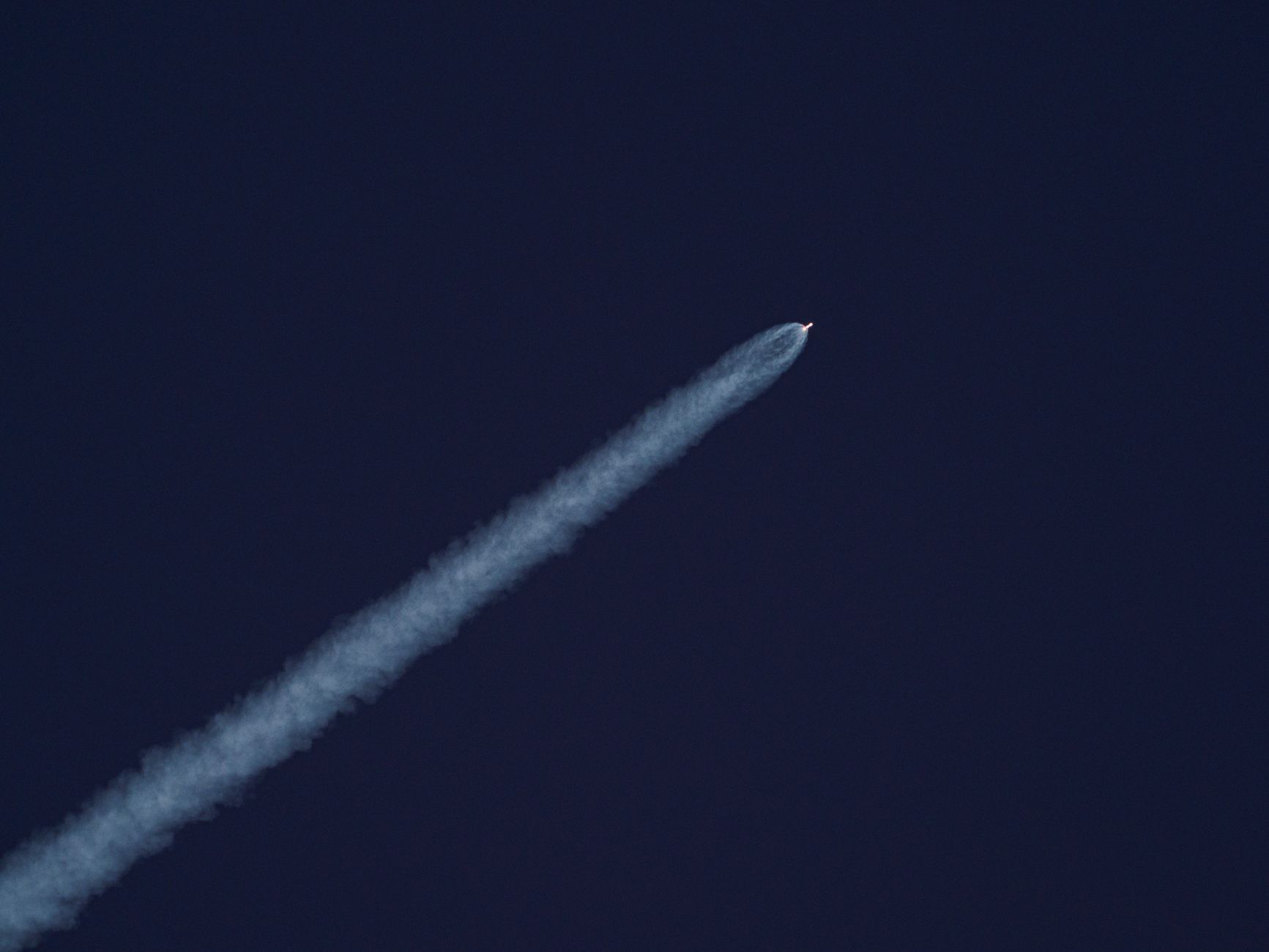
Launched from the Jiuquan Satellite Launch Center, the mission will carry a crew of astronauts, including Ali, who will spend time aboard the Tiangong space station. This mission not only highlights the capabilities of the Chinese space program but also signifies a growing collaboration between Pakistan and China in the field of space exploration. Zeeshan Ali’s participation is a proud moment for Pakistan, showcasing the country’s aspirations in the global space community.
Significance of Zeeshan Ali’s Participation
The participation of Pakistani astronaut Zeeshan Ali in China’s Shenzhou-24 mission represents a significant milestone not only for Pakistan but also for the international space community. This collaboration highlights the growing ties between Pakistan and China, particularly in the field of space exploration.
Firstly, Zeeshan Ali’s involvement is expected to foster greater scientific collaboration between the two nations. By working alongside Chinese scientists and engineers, Ali will have the opportunity to exchange knowledge and expertise, which can benefit future space missions originating from Pakistan.
Additionally, Ali’s journey into space serves as an inspiration for countless young people in Pakistan and across South Asia. His achievement underscores the importance of pursuing careers in science, technology, engineering, and mathematics (STEM). The visibility of a Pakistani astronaut in a prominent mission like Shenzhou-24 could motivate aspiring scientists and engineers, encouraging them to dream big and break barriers.
Moreover, this mission may pave the way for future Pakistani participation in international space programs and collaborations. The experience and visibility gained through Shenzhou-24 could lead to more opportunities for Pakistani astronauts and scientists to contribute on a global scale.
In conclusion, Zeeshan Ali’s participation in the Shenzhou-24 mission is a landmark event that signifies a new era of space exploration for Pakistan and enhances the country’s standing in the international arena.
Pakistan’s Role in Space Exploration
Pakistan has made significant strides in the field of space exploration over the last few decades, with a growing emphasis on developing its own capabilities. The inclusion of Pakistani astronaut Zeeshan Ali in China’s Shenzhou-24 mission marks a pivotal moment in the nation’s journey into space.
The Pakistani Space and Upper Atmosphere Research Commission (SUPARCO) has been at the forefront of this initiative, promoting research and collaboration in space science. The agency has launched several satellites, enabling advancements in earth observation, telecommunications, and scientific research.
Pakistan’s collaboration with other nations, particularly China, has been crucial in enhancing its space program. The partnership has facilitated knowledge exchange and technological advancements, fostering a spirit of cooperation in space exploration. With Zeeshan Ali aboard the Shenzhou-24 mission, Pakistan not only gains international recognition but also inspires future generations to pursue careers in science and technology.
Moreover, the mission is expected to yield valuable data that can contribute to global scientific communities. As Pakistan continues to develop its space strategy, the impact of Zeeshan Ali’s participation in this mission is likely to resonate beyond the immediate achievements, reinforcing the country’s commitment to exploring the final frontier.
- SUPARCO’s ongoing projects
- International collaborations
- Inspiration for future astronauts
Previous Pakistani Astronauts
Pakistan’s journey into space has been marked by several notable astronauts, each contributing to the nation’s aspirations in space exploration. The participation of Pakistani astronaut Zeeshan Ali in China’s Shenzhou-24 mission highlights a growing legacy that began with earlier pioneers.
One of the first Pakistani astronauts was Squadron Leader Muhammad Afzal, who flew to space in 1994 as part of a collaborative program with the United States. His mission aimed to gather data on astronaut health and the effects of space travel on the human body.
Following him, Dr. Abdul Qadeer Khan played a critical role in Pakistan’s space program, although he never flew in space. His work laid the foundation for future developments in aerospace technology and research within the country.
In 2001, Dr. Shahid A. Malik was selected for the International Space Station program, but due to funding and political challenges, he did not reach orbit. Nonetheless, his selection was a significant milestone, demonstrating Pakistan’s potential to contribute to international space missions.
The inclusion of Pakistani astronaut Zeeshan Ali in the Shenzhou-24 mission is a continuation of this legacy, representing a new chapter in Pakistan’s involvement in global space initiatives and inspiring future generations of Pakistani scientists and astronauts.
Future of Space Missions in Pakistan
The successful participation of Pakistani astronaut Zeeshan Ali in the Shenzhou-24 mission marks a pivotal moment for the future of space missions in Pakistan. With advancements in technology and an increasing interest in space exploration, Pakistan is poised to expand its capabilities and contribute significantly to international space initiatives.
As the country looks to build on this momentum, several key factors will shape the trajectory of its space programs:
- Investment in Research and Development: Increased funding for scientific research and technical training will be essential. By investing in local talent and institutions, Pakistan can create a robust pipeline for future astronauts and engineers.
- International Collaboration: Partnerships with established space agencies, such as NASA and ESA, as well as collaborations with China, will enhance Pakistan’s technological capabilities and provide invaluable experience for upcoming missions.
- Public Awareness and Interest: Promoting space science through educational programs and public outreach can inspire the next generation of scientists and astronauts. Engaging youth in STEM fields is crucial for fostering a culture of innovation.
- Long-term Vision: Establishing a clear national strategy for space exploration will help prioritize missions, research objectives, and potential milestones, ensuring sustainable growth in this critical sector.
With Zeeshan Ali’s historic journey, the future of space missions in Pakistan looks promising and full of possibilities.
International Partnerships in Space
The collaboration between nations has become increasingly vital in advancing space exploration efforts. The inclusion of Pakistani astronaut Zeeshan Ali in China’s Shenzhou-24 mission exemplifies the potential of international partnerships in this field. Such alliances allow countries to pool resources, share knowledge, and foster technological advancements that would be challenging to achieve independently.
Through this partnership, Pakistan can strengthen its presence in the global space community. By working closely with China, which has made significant strides in space technology, Pakistani scientists and engineers can gain invaluable experience and insights. This collaboration may lead to future joint missions and initiatives, further enhancing Pakistan’s capabilities in space exploration.
Moreover, international partnerships can help address common challenges faced in space endeavors, such as safety, sustainability, and scientific research. By collaborating with established space powers, emerging space nations can ensure that their contributions are impactful and aligned with global standards.
As Zeeshan Ali embarks on this historic mission, his participation symbolizes not only a personal achievement but also the potential for deeper cooperation between Pakistan and China. This mission could pave the way for future collaborations with other nations, creating a network of partnerships that enriches the global space exploration landscape.
Public Reaction to the Mission
The announcement of Pakistani astronaut Zeeshan Ali joining China’s Shenzhou-24 mission has sparked a wave of enthusiasm across social media platforms and news outlets in Pakistan and beyond. Supporters are celebrating this historic moment as a significant milestone in the country’s space exploration efforts.
Many citizens express pride in Zeeshan Ali’s achievements, viewing his participation as a symbol of progress and innovation for Pakistan. Social media users have taken to platforms like Twitter and Facebook to share their excitement, with hashtags like #ZeeshanAli and #PakistaniAstronaut trending nationwide.
Comments reflect a mix of admiration and hope for the future, with several users stating that this mission could inspire the younger generation to pursue careers in science and technology. One user emphasized, “Zeeshan Ali is not just representing Pakistan but also proving that dreams can come true with hard work and determination.”
In educational circles, teachers are using this achievement as an opportunity to engage students in discussions about space and the importance of international collaborations. Experts believe that positive public reaction to Zeeshan Ali’s mission could lead to increased investment in education and research in Pakistan.
Overall, the response highlights a collective sense of national pride and optimism regarding the future of space exploration in Pakistan.
Pakistani astronaut Zeeshan Ali has expressed his excitement about the opportunity to work alongside international teams in space. As part of the Shenzhou-24 mission, Pakistani astronaut Zeeshan Ali aims to contribute to scientific research and foster collaboration between nations.