Mercury orbit spacecraft has successfully reached its destination after an incredible 8-year journey. This milestone opens new avenues for scientific exploration and understanding of our solar system.
Overview of the Mission
The Mercury orbit spacecraft has successfully reached its destination after an arduous eight-year journey through the solar system. This groundbreaking mission, led by a team of international scientists, aims to unlock the mysteries of Mercury, the innermost planet in our solar system.
The spacecraft’s journey was not without challenges. It required precise navigation and multiple gravity assists to make the long trek possible. The mission has provided valuable insights into Mercury’s composition, geology, and magnetic field, shedding light on the planet’s formation and evolution.
Key objectives of the mission include:
- Mapping Mercury’s surface: High-resolution imaging will help scientists understand the planet’s geological history.
- Studying its atmosphere: Investigating the thin exosphere to gather data on its composition and behavior.
- Understanding magnetic fields: Analyzing Mercury’s magnetic field will reveal information about its core and interior structure.
As the Mercury orbit spacecraft begins its mission operations, scientists are eager to receive and analyze the data that will contribute to our understanding of this enigmatic planet. The mission marks a significant milestone in planetary exploration, promising discoveries that could reshape our knowledge of the solar system.
Key Milestones Achieved
The journey of the Mercury orbit spacecraft has been marked by several significant milestones that showcase the technological advancements and challenges encountered along the way.
- Launch and Departure: The mission began with a successful launch from Earth in 2015, marking the first step in an intricate journey toward the innermost planet of our solar system.
- Gravity Assists: Utilizing gravity assists from Venus and Earth, the spacecraft gained the necessary speed and trajectory to reach Mercury. These maneuvers were crucial for conserving fuel and extending the mission’s lifespan.
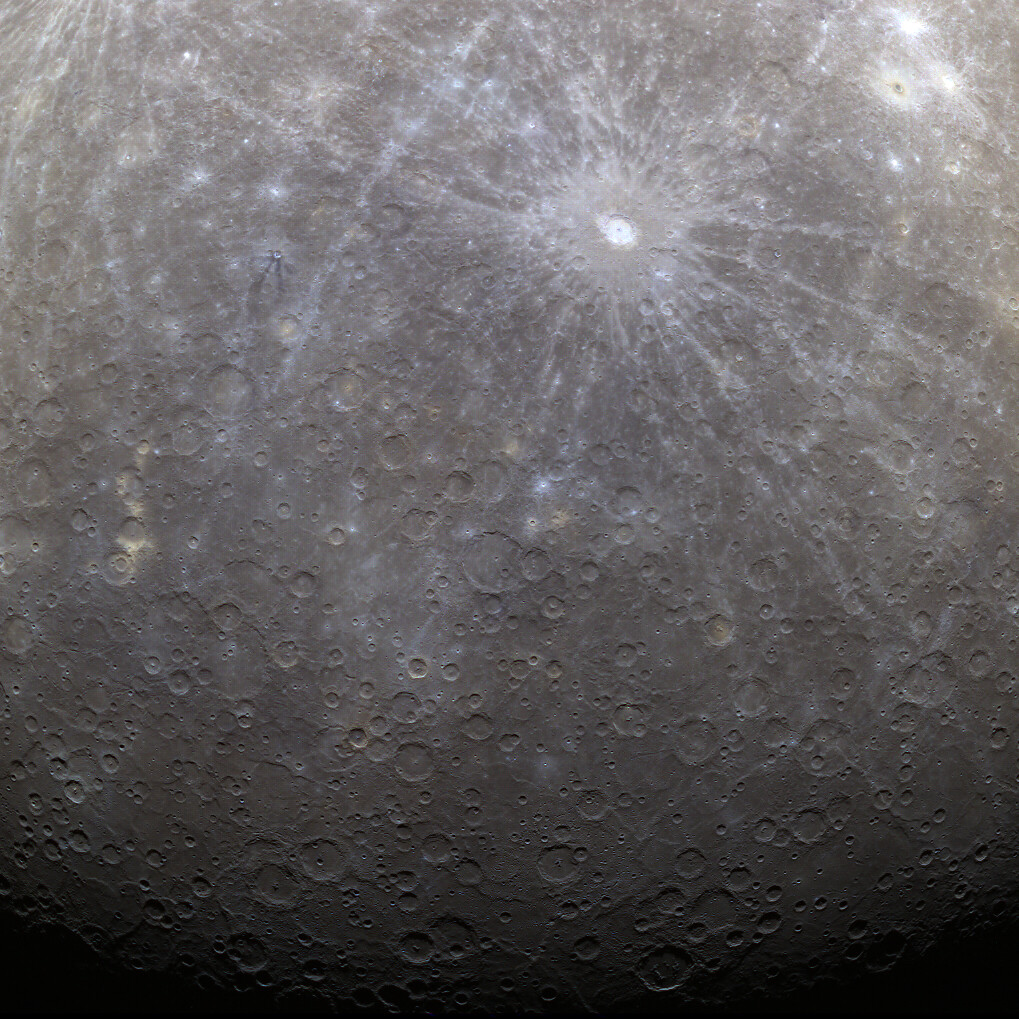
- First Images: As the spacecraft approached Mercury, it transmitted its first images back to Earth, revealing the planet’s surface and geological features in unprecedented detail.
- Insertion into Orbit: After eight years of travel, the Mercury orbit spacecraft successfully entered orbit around the planet, a complex operation that required precise timing and coordination.
- Initial Science Data: Following its orbital insertion, the spacecraft has begun to send back initial science data, providing insights into Mercury’s composition, magnetic field, and atmosphere.
These milestones not only reflect the challenges of interplanetary travel but also the dedication of the team behind the Mercury orbit spacecraft.
Scientific Goals of the Mission
The Mercury orbit spacecraft mission is driven by a set of ambitious scientific goals aimed at unraveling the mysteries of Mercury, the smallest planet in our solar system. Through meticulous planning and advanced technology, scientists hope to gain insights into the planet’s composition, geology, and magnetic field.
Some of the primary objectives of the mission include:
- Surface Composition Analysis: The spacecraft will utilize specialized instruments to analyze the mineralogy of Mercury’s surface, providing a deeper understanding of its formation and evolution.
- Geological Mapping: High-resolution imaging will allow researchers to create detailed geological maps, revealing the planet’s history and the processes that shaped its surface.
- Magnetosphere Study: By investigating Mercury’s magnetic field, scientists aim to understand the dynamics of its interior and the interactions between the solar wind and the planet’s magnetosphere.
- Volcanism and Polar Deposits: The mission will explore evidence of past volcanic activity and the presence of polar ice deposits, offering clues about the planet’s climatic history.
These scientific goals are crucial for enhancing our understanding of Mercury and its place within the broader context of planetary science, making the Mercury orbit spacecraft mission a significant milestone in space exploration.
What This Means for Future Exploration
The successful insertion of the Mercury orbit spacecraft into its designated path marks a pivotal moment for planetary exploration. This achievement not only showcases the advancements in space technology but also sets a precedent for future missions targeting other celestial bodies.
As scientists analyze the data collected from Mercury, the implications of this mission extend beyond our solar system’s innermost planet. The findings could enhance our understanding of planetary formation and evolution, particularly for rocky planets.
Future exploration efforts may benefit in several ways:
- Refined Mission Design: Lessons learned from the Mercury orbit spacecraft’s journey can inform the engineering and design of future missions, making them more efficient and cost-effective.
- Enhanced Scientific Collaboration: The international cooperation displayed in this mission may encourage more collaborative projects among space agencies worldwide.
- Increased Public Interest: Successful missions often stimulate public enthusiasm for space exploration, potentially leading to increased funding and support for future endeavors.
- Technological Innovations: The challenges faced during this mission may drive advancements in technology that could be applied to other fields beyond space exploration.
In conclusion, the Mercury orbit spacecraft is not just a significant achievement in itself, but a stepping stone towards broader and deeper explorations of our universe.
Public Reaction to the Achievement
The successful arrival of the Mercury orbit spacecraft has sparked enthusiastic reactions from the public and the scientific community alike. Many people have taken to social media to express their excitement and share their thoughts on this monumental achievement.
One prominent scientist noted, “This mission is not just a triumph for space exploration, but a testament to human ingenuity and perseverance.” The sentiment reflects a widespread appreciation for the dedication and hard work that have gone into this project over the past eight years.
Members of the public have also engaged in discussions about the implications of the mission. Some have highlighted how the findings from the Mercury orbit spacecraft could reshape our understanding of planetary formation and evolution. Others have expressed a sense of pride, as they see this achievement as a significant step forward for humanity’s quest to explore the cosmos.
Moreover, educational institutions have seized the moment to inspire young minds in STEM fields. Many schools organized viewing parties to watch the mission’s success unfold, emphasizing the importance of space exploration in fostering scientific curiosity.
As excitement continues to grow, it is clear that the Mercury orbit spacecraft has not only reached its destination but has also captured the imagination of people worldwide.
By NASA Goddard Photo and Video via Openverse