ISRO crew module test has successfully demonstrated crew and service module separation, marking a significant advancement in India’s space exploration efforts.
Overview of the ISRO crew module test
The Indian Space Research Organisation (ISRO) has achieved a significant milestone with the recent success of the crew module test. This test focused on the separation of the crew module from the service module, a critical step in the development of the Gaganyaan mission, India’s first manned spaceflight program. The successful demonstration marks a crucial advancement in ISRO’s efforts to send Indian astronauts into space.
The crew module is designed to accommodate astronauts, ensuring their safety and comfort during flight. The separation test was meticulously planned and executed, showcasing ISRO’s expertise in handling complex missions. Following the test, ISRO officials expressed their satisfaction with the results, emphasizing that the test validates the technology involved in the crew module’s operation.
Key features of the ISRO crew module test include:
- Separation Mechanism: The test confirmed the effectiveness of the separation technology, which is vital for the crew module’s functioning.
- Safety Protocols: Rigorous safety measures were in place to ensure the well-being of the astronauts during the test.
- Future Preparations: This accomplishment paves the way for further tests and preparations for the upcoming Gaganyaan mission.
As ISRO continues to refine its technologies, the successful crew module test represents a significant step forward in India’s ambition to explore space and showcase its capabilities on a global scale.
Significance of successful separation
The successful separation of the crew module from the service module marks a significant milestone for the Indian Space Research Organisation (ISRO). This achievement not only demonstrates ISRO’s advancing capabilities in crewed space missions but also reinforces India’s growing presence in the global space exploration arena.
The ISRO crew module test is critical for several reasons:
- Validation of Technology: The successful separation validates key technologies that are essential for future human spaceflight missions, ensuring that the crew module can safely detach and operate independently.
- Safety Assurance: The test provides crucial data on the safety mechanisms in place during the separation process, which is vital for the protection of astronauts during missions.
- International Collaboration: This success enhances potential collaborations with other space agencies, showcasing India’s capabilities and reliability as a partner in space exploration.
- Inspiration for Future Generations: The accomplishments of ISRO inspire young minds in India to pursue careers in science and technology, potentially leading to a new generation of innovators.
- Preparation for Future Missions: This test lays the groundwork for more complex missions, including India’s ambitions for a manned spaceflight program, which will further contribute to international knowledge and exploration efforts.
Overall, the successful separation in the ISRO crew module test is a promising step forward, marking a new chapter for India’s aspirations in space exploration.
Future implications for space missions
The successful ISRO crew module test has far-reaching implications for future space missions, particularly in the context of India’s aspirations for human spaceflight. With the crew module and service module separation achieving its intended objectives, ISRO is one step closer to launching its first crewed mission, Gaganyaan.
Experts believe that this achievement will set the stage for several advancements in space exploration. The successful test enhances the reliability of systems designed for crewed missions, ensuring that astronauts can safely return to Earth after their journeys. The implications extend beyond just Gaganyaan, as the technologies developed during this phase may also benefit future missions to the Moon and Mars.
- Enhanced Safety Protocols: The separation test has validated critical safety measures, which are essential for protecting astronauts during launch and re-entry.
- International Collaborations: Success in the crew module test may foster partnerships with other space agencies, opening doors for joint missions and shared technological advancements.
- Boosting Public Interest: The successful demonstration of capabilities could reignite public interest in space exploration, encouraging future generations to pursue careers in STEM fields.
Overall, the ISRO crew module test signifies not only a milestone for the Indian Space Research Organisation but also a pivotal moment for the global space community, marking a new era of human space exploration.
Technical details of the test
The recent ISRO crew module test showcased several critical technical elements that contributed to its success in separation. The test aimed to validate the performance of the crew and service modules under conditions simulating real spaceflight. Key components of the test included the evaluation of the separation mechanism and the thermal protection systems designed to shield the crew during re-entry.
During the test, the crew module was subjected to a series of evaluations, which included:
- Separation Mechanism: Engineers focused on ensuring that the separation mechanism functioned flawlessly, allowing the crew module to detach from the service module at the designated altitude.
- Flight Data Monitoring: Real-time data was collected and analyzed to monitor the behavior of both modules post-separation, providing insights into their respective trajectories.
- Thermal Protection: The thermal protection system was tested to ensure it could withstand the extreme temperatures experienced during re-entry, thereby safeguarding the crew module and its occupants.
Moreover, the successful execution of the ISRO crew module test has provided valuable data for future missions, indicating that the systems are robust and ready for the next stages of development. This test not only validates the engineering behind the crew module but also strengthens India’s position in the global space community.
The recent ISRO crew module test has demonstrated remarkable advancements in space technology. This successful separation marks a significant milestone for future manned missions.
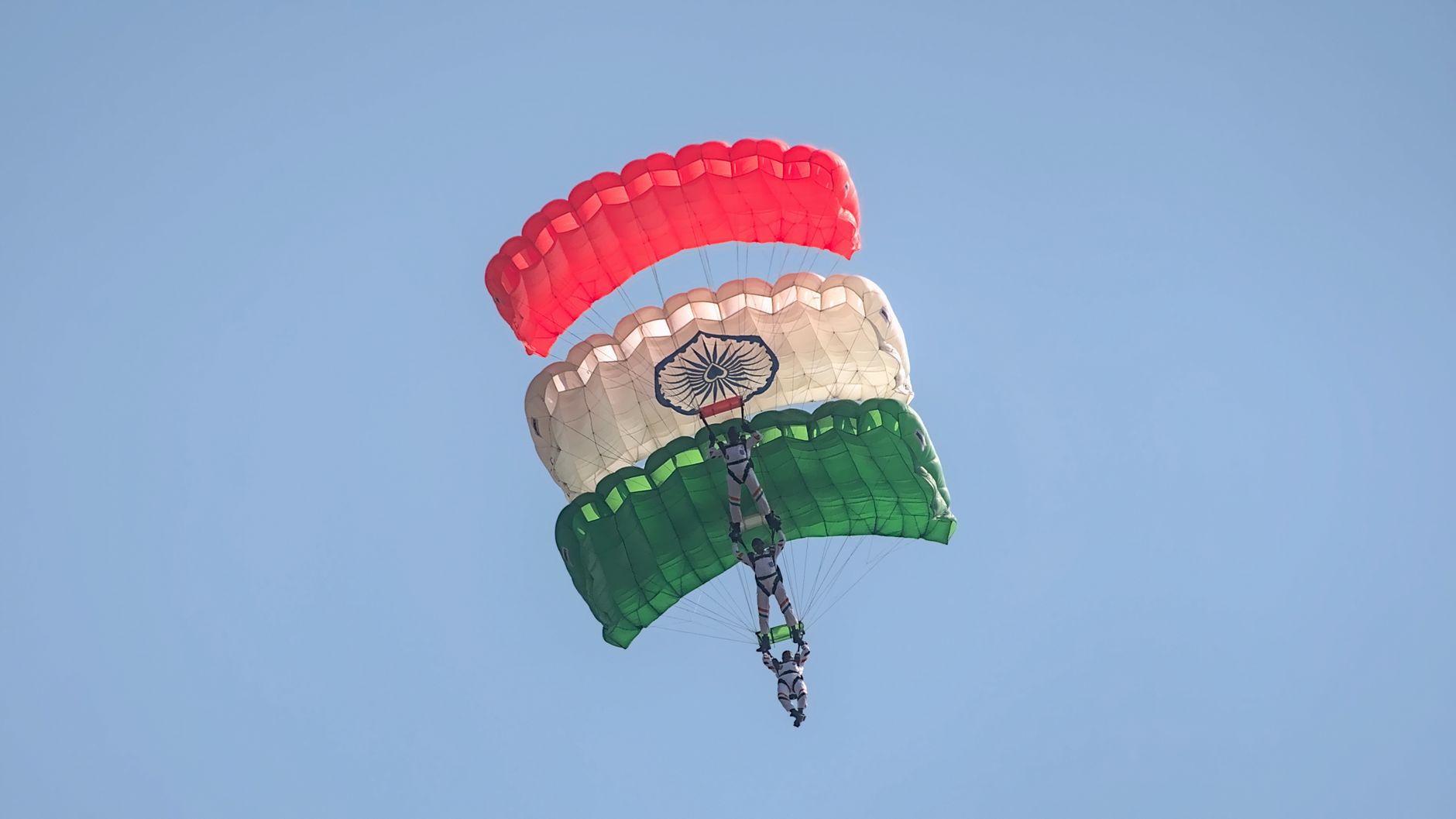
Photo by Aseem Borkar on Pexels