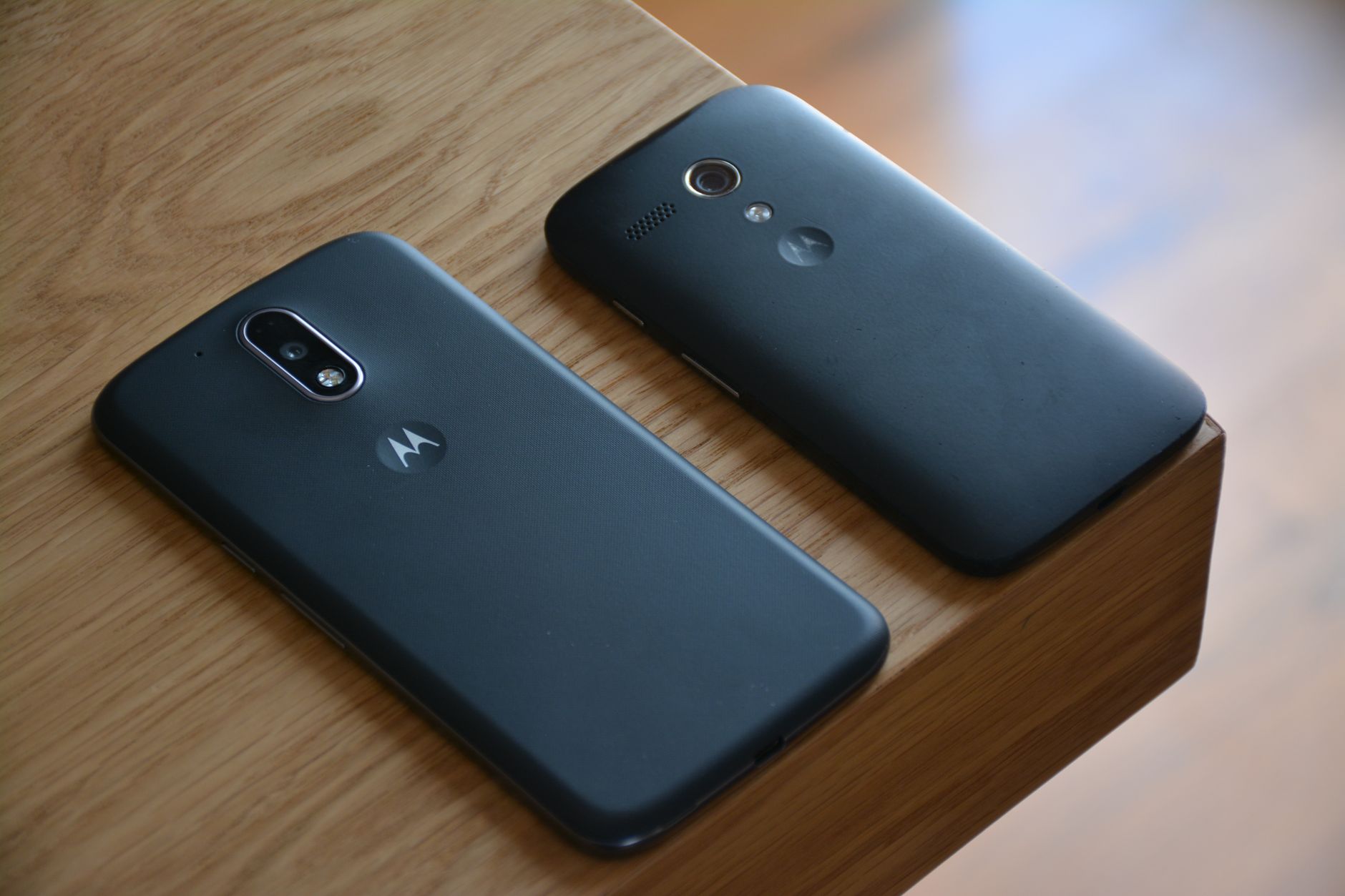
India smartphone prices are rising significantly in 2026, leaving consumers wondering why their favorite devices are becoming costlier. This article explores the reasons behind this trend and its implications for buyers.
Current Trends in Smartphone Pricing
In recent years, the landscape of India smartphone prices has undergone significant changes, leading to a noticeable surge in costs. Various factors contribute to this upward trend, reflecting both global influences and local market dynamics.
One of the primary reasons for rising smartphone prices is the increase in production costs. With the ongoing global semiconductor shortage, manufacturers are facing challenges in sourcing essential components, thus driving up expenses. This situation is further exacerbated by inflation and fluctuating material prices, which impact the overall pricing strategy.
Additionally, smartphone brands are increasingly investing in advanced technologies and features to cater to the evolving consumer demands. As consumers seek high-performance devices with enhanced specifications, the prices inevitably rise to accommodate these innovations.
Another contributing factor is the growing trend of premium devices in the Indian market. As brands introduce flagship models, affordability becomes a key concern for many buyers, pushing them towards mid-range options that still come at a higher cost than previous years.
As these trends continue, the outlook for India smartphone prices remains uncertain, leaving consumers to navigate the changing market with caution.
Factors Driving Price Increases
The recent surge in India smartphone prices can be attributed to several key factors that are influencing the market dynamics. As consumers are becoming increasingly aware of these factors, it is crucial to understand what drives the cost of smartphones higher.
- Rising Component Costs: The prices of essential components such as processors, displays, and batteries have increased significantly due to global supply chain disruptions.
- Increased Demand: The growing demand for advanced features, including high-resolution cameras and 5G connectivity, has led manufacturers to invest more in research and development, which is reflected in the final price.
- Inflation: General economic inflation affects manufacturing costs, leading to higher retail prices for consumers.
- Import Duties: The increase in import tariffs on electronic goods has also impacted the pricing strategy of smartphone brands operating in India.
- Market Competition: While competition among brands is fierce, premium brands have leveraged their reputation to maintain higher price points, influencing overall market pricing.
As these factors continue to evolve, the landscape of India smartphone prices will likely remain affected, with consumers needing to adapt to the new economic realities.
Impact on Consumers
The rising costs of smartphones in India have left consumers grappling with various challenges. As prices escalate, many individuals are re-evaluating their purchasing decisions and adjusting their budgets to accommodate these increases.
One significant impact is the shift in consumer behavior. More people are opting for:
- Budget-friendly options: Many consumers are now prioritizing lower-priced models, often sacrificing advanced features for affordability.
- Second-hand devices: The market for used smartphones is witnessing growth, as buyers seek to save money while still obtaining functional devices.
- Longer upgrade cycles: Consumers are holding onto their phones longer, delaying upgrades and repairs to avoid the financial strain of buying new devices.
Moreover, the perception of value has changed. As prices rise, consumers are increasingly looking for:
- Enhanced features and performance in devices that justify the higher price tags.
- Brand loyalty may wane as customers explore alternatives that offer better value for their money.
Overall, the surge in India smartphone prices is reshaping the market landscape, forcing consumers to adapt to a new economic reality.
Comparison with Previous Years
The smartphone market in India has seen a significant shift in pricing over the past few years. A comparison with previous years reveals a stark contrast in the cost of devices available to consumers.
In 2020, the average price of a smartphone was around INR 15,000, with a majority of models falling within the budget segment. However, by 2023, this average price had surged to approximately INR 25,000, marking a substantial increase that has made devices less accessible to price-sensitive consumers.
Several factors contribute to this rise in India smartphone prices:
- Inflation: The overall economic inflation has led to increased costs in manufacturing and logistics.
- Premium Features: Consumers have shown a preference for smartphones that offer advanced features, which often come at a higher price point.
- Supply Chain Disruptions: Global events have affected the supply chain, resulting in increased costs for components.
- Exchange Rates: Fluctuations in currency exchange rates have also played a role in increasing the price of imported components.
As a result, the landscape of smartphone pricing in India has evolved, prompting consumers to reconsider their purchasing decisions.
Expert Opinions on Future Prices
Experts in the technology and consumer electronics sectors have shared their insights regarding the rising prices of smartphones in India. According to Rajesh Kumar, a prominent market analyst, “The surge in India smartphone prices can be attributed to several converging factors, including increased production costs and supply chain disruptions.”
Many analysts believe that the trend will continue in the coming years, as brands strive to incorporate advanced technologies while managing rising operational costs. Dr. Neha Singh, a tech economist, emphasized the role of inflation and currency fluctuations, stating, “As the Indian Rupee weakens against major currencies, imported components become significantly more expensive, leading to higher retail prices.”
Furthermore, Aditya Verma, a senior researcher, highlighted that the demand for premium features is pushing manufacturers to increase their prices. “Consumers are now expecting features like 5G connectivity, enhanced camera systems, and AI capabilities, which inevitably drives up production costs,” he noted.
As a result, the consensus among experts is that consumers should prepare for a sustained increase in smartphone prices, making it essential to evaluate their purchasing decisions carefully.
What to Expect in the Smartphone Market
The smartphone market in India is undergoing significant changes, and consumers can expect several trends to shape the landscape in the coming months. With India smartphone prices on the rise, manufacturers are adapting by introducing innovative features while optimizing production costs.
In the short term, consumers can anticipate:
- Increased Variety: Brands are likely to expand their portfolios, offering a wider range of options across various price segments to cater to diverse consumer preferences.
- Focus on Sustainability: Companies are expected to invest more in sustainable practices, which could influence pricing as eco-friendly materials may come at a higher cost.
- Technological Advancements: Features such as advanced camera systems and 5G connectivity will become standard, potentially justifying the higher price points.
- Regional Variations: Consumers in tier 2 and tier 3 cities may witness different pricing strategies as brands tailor their offerings to these emerging markets.
As India smartphone prices continue to evolve, staying informed about these trends will be crucial for consumers looking to make wise purchasing decisions.
As manufacturers face increased production costs, India smartphone prices have been impacted significantly. Additionally, supply chain disruptions continue to play a crucial role in shaping the future of India smartphone prices.
Photo by Md Imran on Pexels