

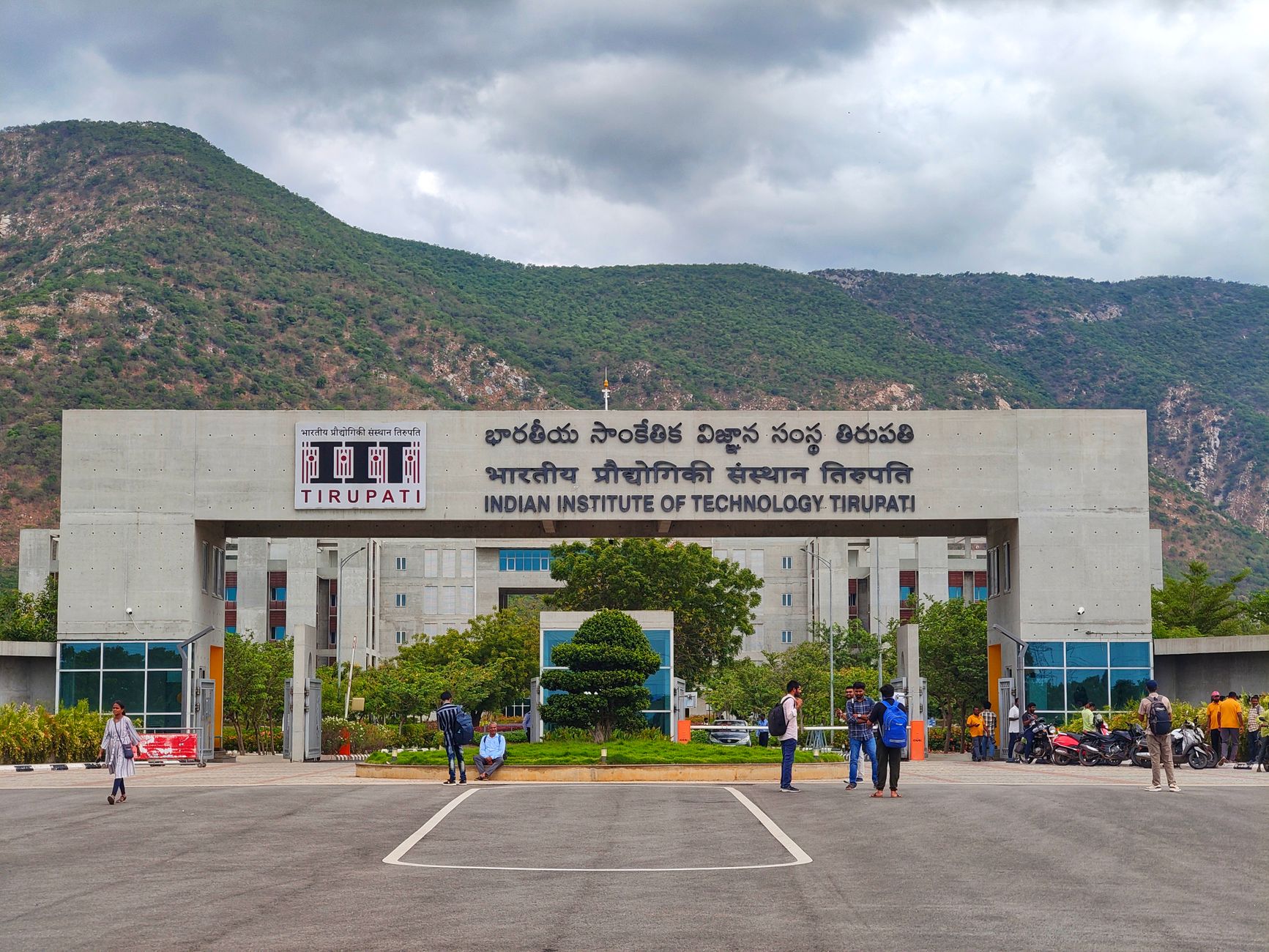
IIT Madras Alumni Challenge is an exciting initiative aimed at fostering innovation in materials science. This challenge offers a substantial $1 million prize to stimulate groundbreaking research and development.
Overview of the IIT Madras Alumni Challenge
The IIT Madras Alumni Challenge is an ambitious initiative aimed at fostering innovation and research in the field of materials science. This challenge, launched by the esteemed alumni of IIT Madras, offers a significant prize of $1 million to encourage groundbreaking solutions that can address pressing global challenges.
Participants from various academic and professional backgrounds are invited to submit their proposals. The challenge aims to attract a diverse range of ideas and technologies that can potentially revolutionize the materials science landscape.
Key details of the challenge include:
- Eligibility: Open to teams and individuals worldwide.
- Submission Deadline: Proposals must be submitted by the specified date to be considered.
- Judging Criteria: Innovation, feasibility, and potential impact on society will be evaluated.
Through this initiative, IIT Madras alumni hope to inspire the next generation of innovators and contribute to the advancement of materials science globally.
Impact of Materials Science on Technology
The IIT Madras Alumni Challenge is set to revolutionize the field of materials science, a discipline that plays a vital role in advancing technology. This initiative encourages innovative research and development aimed at addressing critical challenges faced by industries today.
Materials science has a profound impact on various sectors, including:
- Aerospace: Development of lightweight and durable materials enhances fuel efficiency and safety.
- Healthcare: Innovations in biomaterials lead to improved medical devices and treatments.
- Electronics: Advanced materials are essential for creating faster and more efficient semiconductor devices.
- Energy: Breakthroughs in materials can facilitate renewable energy solutions, such as more efficient solar panels.
Through the IIT Madras Alumni Challenge, researchers are encouraged to explore the vast potential of materials science. With a target of $1 million, this challenge aims to foster collaborations and drive impactful discoveries that can transform technology and improve lives globally.
How to Participate in the Challenge
Participating in the IIT Madras Alumni Challenge is a straightforward process designed to engage innovators and researchers in the field of materials science. Interested candidates can follow these steps to become part of this exciting initiative:
- Registration: Participants must register online through the official IIT Madras Alumni Challenge website. This involves filling out a form with basic details and a brief description of their proposed project.
- Proposal Submission: After registration, candidates are required to submit a detailed proposal outlining their innovative ideas and approaches in materials science. Proposals will be evaluated based on their creativity, feasibility, and potential impact.
- Pitch Presentation: Shortlisted participants will have the opportunity to present their proposals to a panel of experts. This presentation should effectively communicate the vision and scope of the project.
- Networking Opportunities: Throughout the challenge, participants will have access to various networking events, allowing them to connect with mentors and fellow innovators.
Engaging in the IIT Madras Alumni Challenge not only offers a chance to win $1 million but also contributes to advancing materials science.
Criteria for Submissions
The IIT Madras Alumni Challenge invites innovative submissions that align with its core objectives. To ensure that participants have a clear understanding of what is expected, the criteria for submissions are meticulously outlined.
Participants are encouraged to submit proposals that:
- Address real-world problems: Solutions should tackle pressing issues in materials science, showcasing their potential to drive technological advancements.
- Demonstrate feasibility: Submissions must outline a practical approach to implementation, including timelines and resource requirements.
- Highlight originality: Innovative ideas that push the boundaries of current materials science research will be prioritized.
- Emphasize collaboration: Proposals should encourage partnerships among scientists, engineers, and industry leaders to maximize impact.
By adhering to these criteria, participants can enhance their chances of winning the IIT Madras Alumni Challenge and contribute significantly to the field of materials science.
Previous Innovations in Materials Science
The IIT Madras Alumni Challenge has a rich history of fostering groundbreaking innovations in materials science. Previous participants have introduced advanced materials that have significantly influenced various industries.
- Graphene Applications: One notable innovation was the development of graphene-based materials, enhancing conductivity in electronics.
- Biodegradable Polymers: Another project focused on creating biodegradable polymers, addressing environmental concerns in packaging.
- Smart Textiles: Innovations in smart textiles have led to fabrics that monitor health metrics, opening new avenues in wearable technology.
- Energy Storage Solutions: Solutions for more efficient energy storage have emerged, contributing to advancements in renewable energy technologies.
These innovations highlight the potential of the IIT Madras Alumni Challenge to not only reward creativity but also to drive real-world applications. As alumni continue to push boundaries, the challenge remains a proven path to $1 million, motivating participants to explore uncharted territories in materials science.
Expert Opinions on the Challenge
Experts in the field are optimistic about the IIT Madras Alumni Challenge, seeing it as a significant opportunity for innovation in materials science. Dr. Anjali Sharma, a leading researcher, emphasized the challenge’s potential to bridge the gap between academia and industry, stating, “This initiative can catalyze groundbreaking advancements that address real-world problems.”
Professor Ravi Kumar noted that the $1 million prize serves as a strong incentive for participants to push the boundaries of their research. “The IIT Madras Alumni Challenge is not just about the financial reward; it’s about fostering a culture of innovation and collaboration,” he explained.
Additionally, Dr. Priya Menon highlighted the importance of interdisciplinary approaches in tackling complex materials science issues. “By inviting diverse teams to participate, the challenge encourages the creation of novel solutions that could significantly impact various industries,” she remarked.
Overall, expert opinions suggest that the IIT Madras Alumni Challenge is poised to drive significant advancements in materials science, benefiting both researchers and society at large.
Future of Materials Science Research
The future of materials science research holds immense potential, especially with initiatives like the IIT Madras Alumni Challenge. This challenge aims to inspire innovative solutions that can revolutionize the field. As materials science continues to evolve, researchers are increasingly focused on developing sustainable and advanced materials that can meet the demands of modern technology.
One area of growth is the exploration of nanomaterials, which promise enhanced properties and functionalities. Another significant trend is the integration of artificial intelligence in material design, allowing for faster and more efficient discoveries. Additionally, the emphasis on biodegradable materials aligns with global sustainability goals, addressing environmental concerns.
Participants in the IIT Madras Alumni Challenge have the opportunity to contribute to these advancements. By submitting their ideas, they can play a crucial role in shaping the future of materials science. The potential for collaboration between researchers and industry stakeholders is also a key aspect, fostering innovation that could lead to groundbreaking technologies.
Photo by Mr Cool Hitman on Pexels