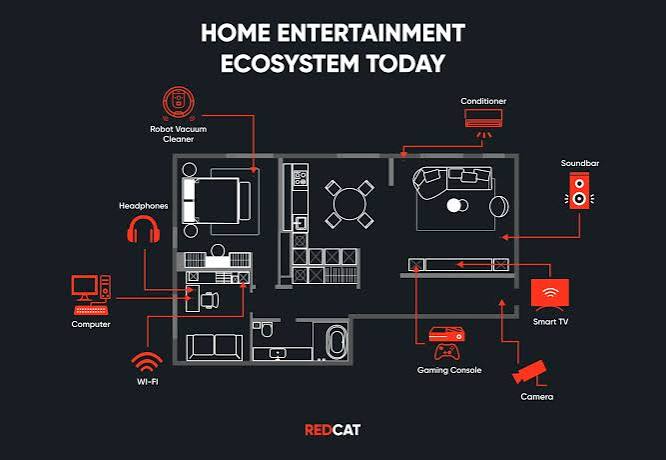
Home entertainment has undergone a quiet revolution. The shift from physical media to digital streaming has changed not just what people watch, but how, when, and where they watch it. At the center of this transformation is the tv app — a platform that must now balance content depth, technical performance, and user experience all at once.
What Is the Relationship Between Streaming Quality and Viewer Retention?
Streaming quality is one of the first things viewers notice and one of the last things platforms want to get wrong. Crystal-clear visuals and crisp audio set an immediate tone for the entire viewing experience. When quality drops unexpectedly — due to buffering, resolution shifts, or audio sync issues — it pulls viewers out of the moment and prompts them to question whether the platform is worth their time.
Adaptive streaming technology has helped address this challenge by automatically adjusting video quality based on available bandwidth. The result is a smoother experience that maintains playback even when the internet connection fluctuates, without requiring any input from the viewer.
How Do Live Streaming Features Differentiate a TV App From Competitors?
Live content has become a significant differentiator for streaming platforms. Sports events, news broadcasts, award ceremonies, and live concerts attract audiences that on-demand libraries simply cannot serve. Applications that integrate live streaming seamlessly alongside their existing on-demand catalog offer a more complete entertainment solution.
The technical demands of live streaming are considerable — latency must be minimized, synchronization across devices must be maintained, and the experience must be stable under peak traffic conditions. Platforms that solve these challenges effectively attract and retain a viewer segment that values real-time engagement.
Why Is Content Download Management an Important Feature for Mobile Users?
Mobile streaming has grown steadily as device quality has improved and data plans have expanded. However, data consumption remains a concern for many users, particularly when streaming high-quality video over a cellular connection.
Download management features address this directly by allowing users to control the quality of downloaded content, set storage limits, and schedule downloads to occur over Wi-Fi only. These controls give viewers flexibility and confidence, knowing that their storage and data usage remain within boundaries they have defined themselves.
How Do Notification Systems Keep Viewers Engaged With a Streaming Platform?
Push notifications and in-app alerts serve as a bridge between the platform and the viewer when the application is not actively in use. When used thoughtfully, these messages remind users of content they have saved, alert them to new releases from creators they follow, and flag time-sensitive offers or events.
The key word is “thoughtfully.” Notifications that are too frequent or irrelevant quickly become a reason to disable alerts entirely or uninstall the application. Platforms that allow users to customize their notification preferences — by type, frequency, and content category — earn more sustained engagement than those that apply a one-size-fits-all approach.
What Makes a TV App Well-Suited for Large-Screen Viewing?
Designing a streaming application for a large television screen presents different challenges than designing for a phone or tablet. Navigation must be operable with a remote control rather than a touchscreen, text must be legible from a distance, and visual hierarchy needs to account for a wider field of view.
The best large-screen streaming experiences are those where the interface recedes into the background and the content takes center stage. Minimal chrome, high-contrast visuals, and smooth transitions between menus all contribute to a living room experience that feels premium and considered.
How Does Social Integration Add Value to the Streaming Experience?
Streaming has traditionally been a solitary or small-group activity, but social features are gradually changing that. Watch-together tools, shared viewing rooms, and community rating systems bring a collaborative dimension to content consumption that many viewers find genuinely engaging.
These features also generate useful data for platforms, revealing which titles are generating conversation and which are being watched repeatedly. For viewers, social integration transforms streaming from a passive activity into something participatory — which deepens their connection to the platform over time.
Entertainment on Your Terms
The most successful streaming applications are those that adapt to their viewers rather than asking viewers to adapt to them. Every feature — from download controls to large-screen navigation to social tools — exists to reduce friction and increase the sense that the platform truly understands what its audience needs. That understanding, built one well-designed feature at a time, is what separates a streaming app people use from one people genuinely enjoy.