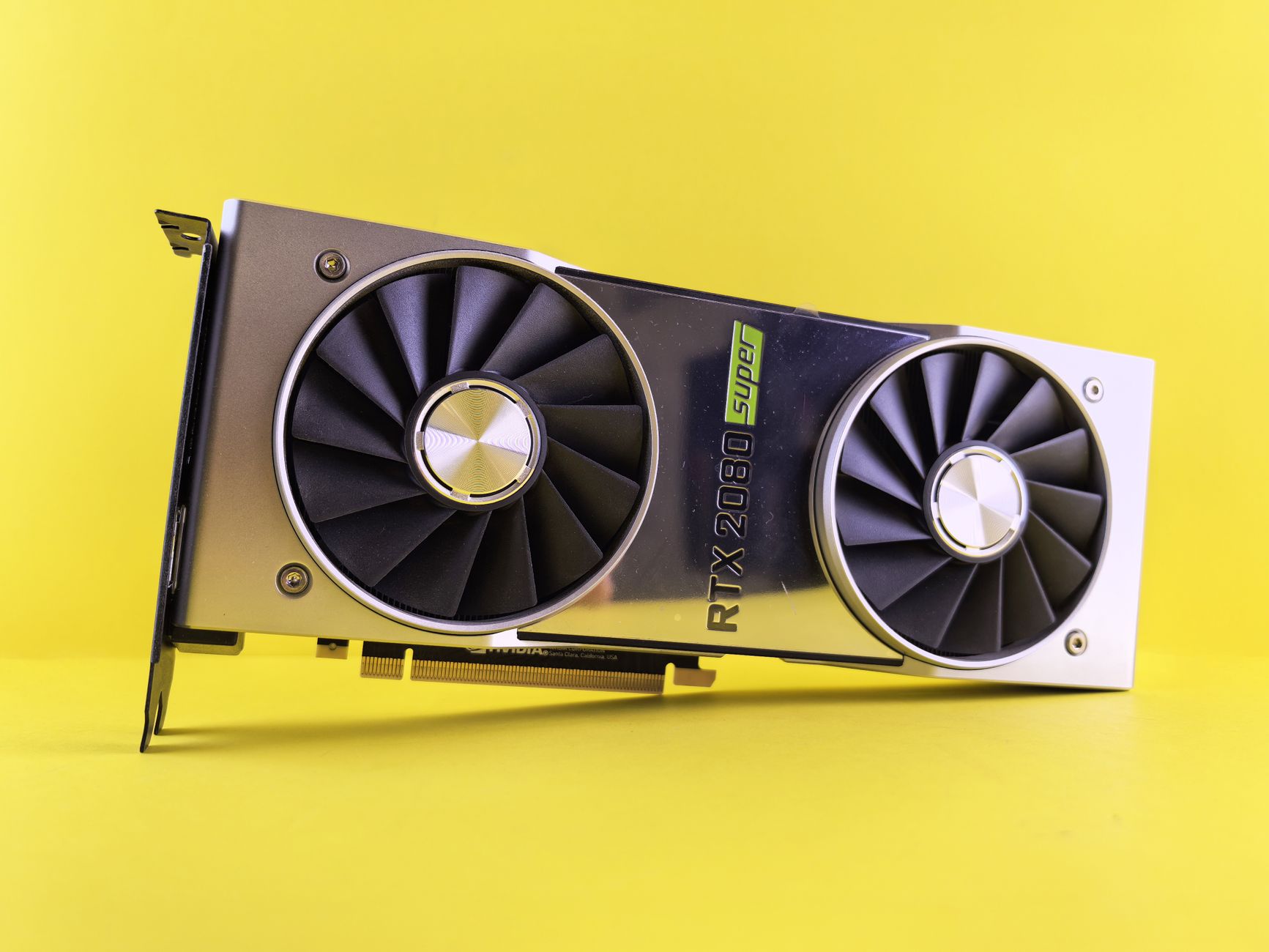
GPU Futures trading is gaining traction as Wall Street embraces this innovative financial instrument. This shift highlights the growing importance of GPUs in the tech industry.
What are GPU Futures?
GPU futures are financial contracts that allow investors to speculate on the future price of graphics processing units (GPUs), which are essential components in various sectors, including gaming, artificial intelligence, and cryptocurrency mining. As the demand for GPUs continues to rise, particularly in tech-driven industries, the introduction of GPU futures trading offers a new way for investors to gain exposure to this pivotal asset.
These futures work similarly to traditional commodity futures, where investors agree to buy or sell a specific quantity of GPUs at a predetermined price on a future date. This mechanism enables participants to hedge against price volatility and manage investment risks effectively. It also allows those who believe in the long-term growth of the GPU market to lock in prices ahead of time.
Currently, the GPU market is influenced by a variety of factors, including supply chain issues and the increasing adoption of technology that relies heavily on GPU capabilities. As a result, GPU futures trading is becoming an attractive option for many investors looking to diversify their portfolios and capitalize on the strengths of an evolving tech landscape.
By understanding what GPU futures are and how they function, investors can develop informed strategies to navigate this emerging market.
The Impact of GPU Futures on Wall Street
The introduction of GPU Futures trading has significantly altered the landscape of Wall Street, providing investors with new opportunities and challenges. As artificial intelligence and machine learning technologies continue to expand, the demand for Graphics Processing Units (GPUs) has skyrocketed. This surge in demand has prompted financial institutions to recognize GPUs as a critical asset, paving the way for innovative trading options.
Investors are now looking at GPU Futures as a way to hedge against price volatility and secure their investments in a rapidly evolving market. These futures contracts allow traders to speculate on the future prices of GPUs, helping them to manage risk more effectively. The impact of this trading instrument extends beyond individual investors; it has created a ripple effect throughout the financial sector.
There are several key factors that contribute to the significance of GPU Futures trading:
- Market Liquidity: Increased trading activity enhances market liquidity, making it easier for investors to enter and exit positions.
- Price Discovery: Futures trading facilitates better price discovery, allowing the market to react quickly to changes in demand and supply.
- Diversification: GPU Futures provide investors with a new asset class, enabling portfolio diversification.
Overall, the introduction of GPU Futures represents a transformative moment for investors looking to capitalize on the booming technology sector.
How to Invest in GPU Futures
Investing in GPU Futures requires a strategic approach to maximize potential returns while managing risks. As this market evolves, understanding key principles can help investors navigate the complexities involved.
First, it is essential to conduct thorough research on the underlying market trends affecting GPUs. Factors such as technological advancements, demand fluctuations, and supply chain dynamics can significantly influence GPU prices. Keeping abreast of industry news and analysis is critical.
Second, consider leveraging analytics tools to monitor market movements. Utilizing historical data and predictive modeling can provide valuable insights into future price trends, enabling more informed trading decisions.
Additionally, developing a clear investment strategy is crucial. Investors should define their risk tolerance, set profit targets, and establish stop-loss orders to mitigate potential losses.
Moreover, joining trading communities or platforms focused on GPU Futures trading can enhance learning and provide support. Networking with experienced traders can offer practical tips and strategies.
- Stay informed about market trends
- Utilize analytical tools
- Define clear investment strategies
- Engage with trading communities
By following these steps, investors can position themselves effectively in the GPU Futures market.
Benefits of Trading GPU Futures
Trading GPU futures offers a variety of benefits that can enhance an investor’s portfolio. As the demand for graphics processing units rises, investors can leverage GPU futures to capitalize on market trends and price fluctuations.
- Hedging Against Price Volatility: One of the primary advantages of GPU futures is the ability to hedge against the potential volatility of the GPU market. Investors can lock in prices, protecting themselves from unexpected downturns.
- Increased Liquidity: The emergence of GPU futures has introduced greater liquidity to the market. This means that investors can more easily buy and sell contracts without significantly impacting prices.
- Diversification: Incorporating GPU futures into an investment strategy allows for diversification. This can help spread risk across different asset classes, potentially leading to more stable returns.
- Access to Market Sentiment: Trading GPU futures provides insights into market trends and investor sentiment regarding GPUs. This information can be invaluable for making informed investment decisions.
- Leverage Opportunities: Investors can take advantage of leverage when trading GPU futures, allowing them to control larger positions with a smaller amount of capital.
Overall, GPU futures trading presents a promising opportunity for savvy investors looking to navigate the evolving landscape of technology and investment.
Market Trends in GPU Trading
In recent months, the market for GPU futures trading has seen significant fluctuations, influenced by a surge in demand for graphics processing units in various sectors. As industries increasingly rely on AI and machine learning, the necessity for powerful GPUs has escalated, prompting investors to pay close attention to market trends.
Several key factors are driving these trends:
- Technological Advancements: With rapid developments in AI technology, the demand for high-performance GPUs has soared, creating a bullish sentiment among traders.
- Supply Chain Constraints: Ongoing supply chain issues have led to limited availability of GPUs, causing prices to spike and inviting speculation in GPU futures trading.
- Market Sentiment: Investor confidence is heavily influenced by news related to technological breakthroughs and partnerships within the semiconductor industry.
Moreover, as more traders enter the market, the liquidity of GPU futures has improved, allowing for more dynamic trading strategies. This evolving landscape presents both opportunities and challenges, making it essential for investors to stay informed about the latest market trends. By understanding these dynamics, traders can better navigate the GPU futures trading environment and position themselves for potential gains.
Future Predictions for GPU Futures
As the market for GPU futures continues to evolve, analysts are making predictions that could significantly impact investors’ strategies. The increasing demand for graphics processing units, driven by advancements in artificial intelligence and gaming, is expected to bolster the value of GPU futures in the coming years.
Market experts suggest that a few key trends may shape the future of GPU futures trading:
- Technological Advancements: Innovations in GPU technology are likely to enhance performance and efficiency, driving demand and subsequently affecting futures prices.
- Market Volatility: As seen in recent months, the GPU market can be highly volatile. Investors should prepare for fluctuations that could either present opportunities or risks.
- Regulatory Changes: Potential new regulations surrounding trading practices and technology could influence market dynamics, impacting GPU futures trading strategies.
- Increased Competition: With more players entering the market, competition could lead to price adjustments, affecting both the short-term and long-term outlook for GPU futures.
Considering these factors, investors must stay informed and adapt their strategies to navigate the complexities of GPU futures trading effectively. A proactive approach will be essential in capitalizing on potential market opportunities.
Photo by Andrey Matveev on Pexels