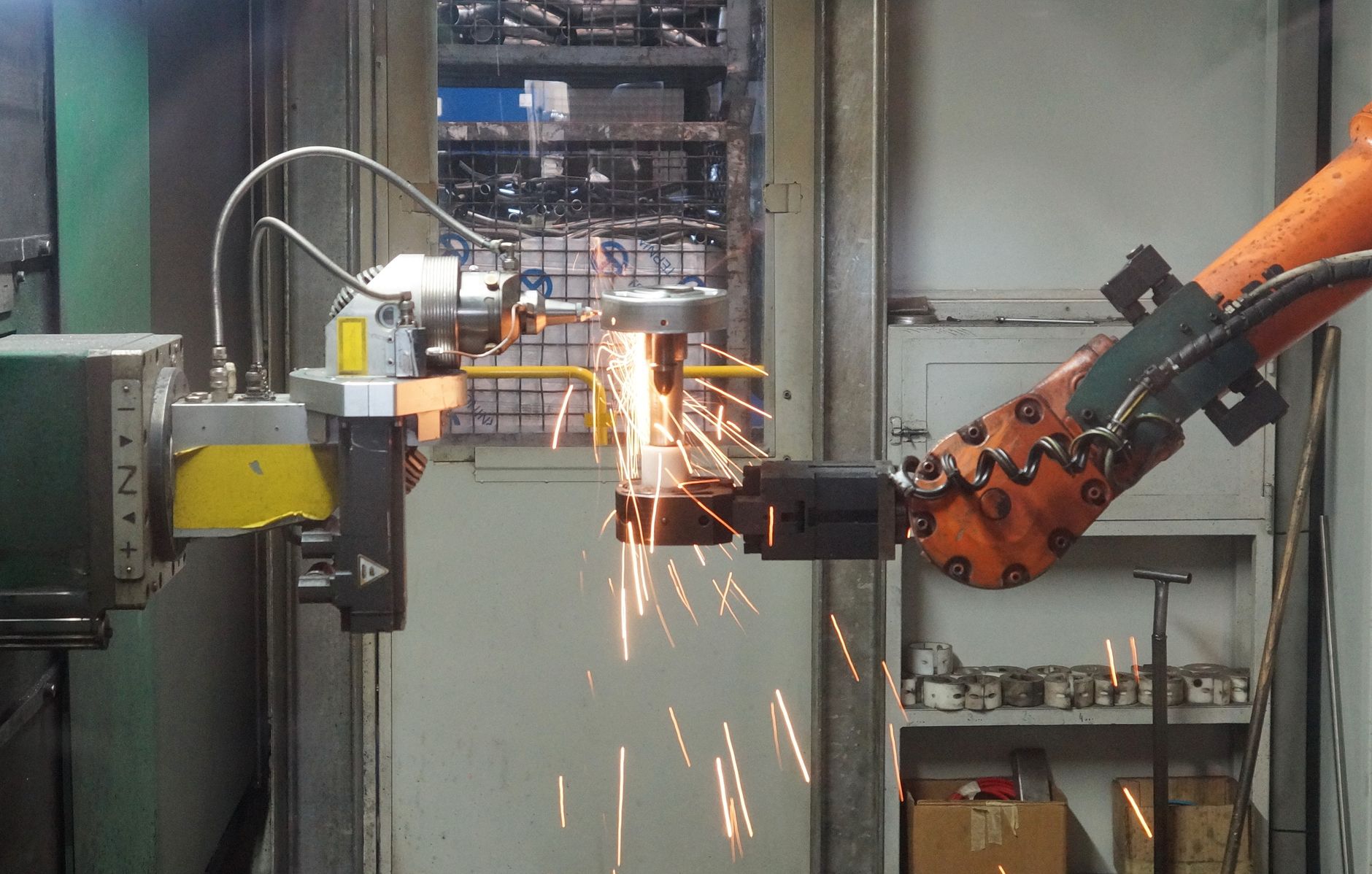
Autonomous welding in orbit will be tested in a mission projected for 2027. This groundbreaking initiative aims to enhance construction capabilities in space.
Overview of the 2027 Mission
The upcoming mission projected for 2027 aims to revolutionize space operations by testing autonomous welding in orbit. This innovative endeavor will focus on the development of advanced robotic systems capable of performing complex welding tasks without direct human intervention.
The mission is expected to demonstrate several critical capabilities, including:
- Precision: Ensuring high-quality welds in a microgravity environment.
- Efficiency: Reducing the time and resources needed for repairs and assembly in space.
- Reliability: Validating the long-term performance of autonomous systems in harsh conditions.
By harnessing cutting-edge technology, this mission will not only pave the way for future space exploration but also provide valuable insights into the potential for self-sufficient operations beyond Earth. With the success of autonomous welding in orbit, the vision for sustainable human presence in space becomes increasingly attainable.
Importance of Autonomous Welding
The upcoming mission set for 2027 highlights the critical role of autonomous welding in orbit, which promises to revolutionize space construction and maintenance. This technology enables spacecraft to execute complex welding tasks without human intervention, ensuring efficiency and precision in extreme environments.
Here are several reasons why autonomous welding is essential for future space missions:
- Increased Safety: Reducing the need for astronauts to perform risky repairs in space minimizes potential hazards.
- Efficiency: Automation can lead to quicker repairs and construction, allowing missions to focus on their primary objectives.
- Cost-Effectiveness: Lowering the number of manned missions required for maintenance can significantly reduce overall mission costs.
- Reliability: Autonomous systems can operate continuously, ensuring that welding tasks are completed even when human operators are unavailable.
As technological advancements lead us closer to 2027, the implications of autonomous welding in orbit are becoming increasingly vital for the future of space exploration.
Challenges in Space Construction
The concept of autonomous welding in orbit presents several challenges that must be addressed to ensure mission success. First and foremost, the harsh environment of space poses unique difficulties for welding operations, including extreme temperatures and radiation exposure.
Additionally, the lack of gravity complicates the welding process, as molten materials may behave unpredictably. This necessitates the development of specialized welding techniques and equipment capable of functioning effectively in microgravity conditions.
Furthermore, the reliability of autonomous systems is paramount. These systems must be capable of making real-time decisions and adjustments without human intervention, which requires advanced algorithms and robust sensors to monitor and evaluate the welding process.
Lastly, safety remains a critical concern. Any flaws in the welding could compromise the structural integrity of the spacecraft, making rigorous testing and validation essential before the mission launches.
Addressing these challenges will be essential for the successful implementation of autonomous welding in orbit.
Future of Robotics in Orbit
The future of robotics in orbit appears promising, especially with advancements like autonomous welding in orbit. This technology is set to revolutionize how missions are conducted in space, paving the way for more complex constructions beyond Earth.
As robotic systems become increasingly sophisticated, their ability to perform intricate tasks autonomously will enhance efficiency and safety. The 2027 mission will serve as a crucial testbed for these capabilities, focusing on:
- Improved Precision: Autonomous systems can execute welding tasks with higher accuracy, reducing the risk of human error.
- Time Efficiency: Robots can work continuously, significantly speeding up construction timelines.
- Cost Reduction: By minimizing the need for human presence in risky environments, missions can save on costs related to training and support.
Overall, the integration of autonomous welding in orbit represents a significant leap forward, ensuring that future space endeavors are not only viable but also sustainable.
Impact on Space Exploration
The introduction of autonomous welding in orbit is set to revolutionize space exploration by enhancing the capabilities of spacecraft construction and repair. This technology allows for precise and efficient welding processes that can be executed without direct human intervention, which is crucial in the harsh environment of space.
As missions become more ambitious, the need for reliable construction methods in low Earth orbit and beyond is paramount. Autonomous welding can significantly reduce the time and resources required for repairs, enabling longer missions with fewer logistical challenges.
Moreover, this innovation opens the door to constructing larger and more complex structures in space, such as habitats or research facilities. The potential for autonomous welding in orbit not only improves the current capabilities of space agencies but also paves the way for future commercial ventures in space construction.
- Increased safety for astronauts
- Reduced costs in space missions
- Enhanced construction capabilities
Photo by alex on Pexels
Where this came from
Nuri nanosatellites capture image: Quick Proven Technology · Enhanced protection mode: Is it the best way to fight scams? · Tecno Spark 50S 5G: The Best Proven Smartphone Launch in India