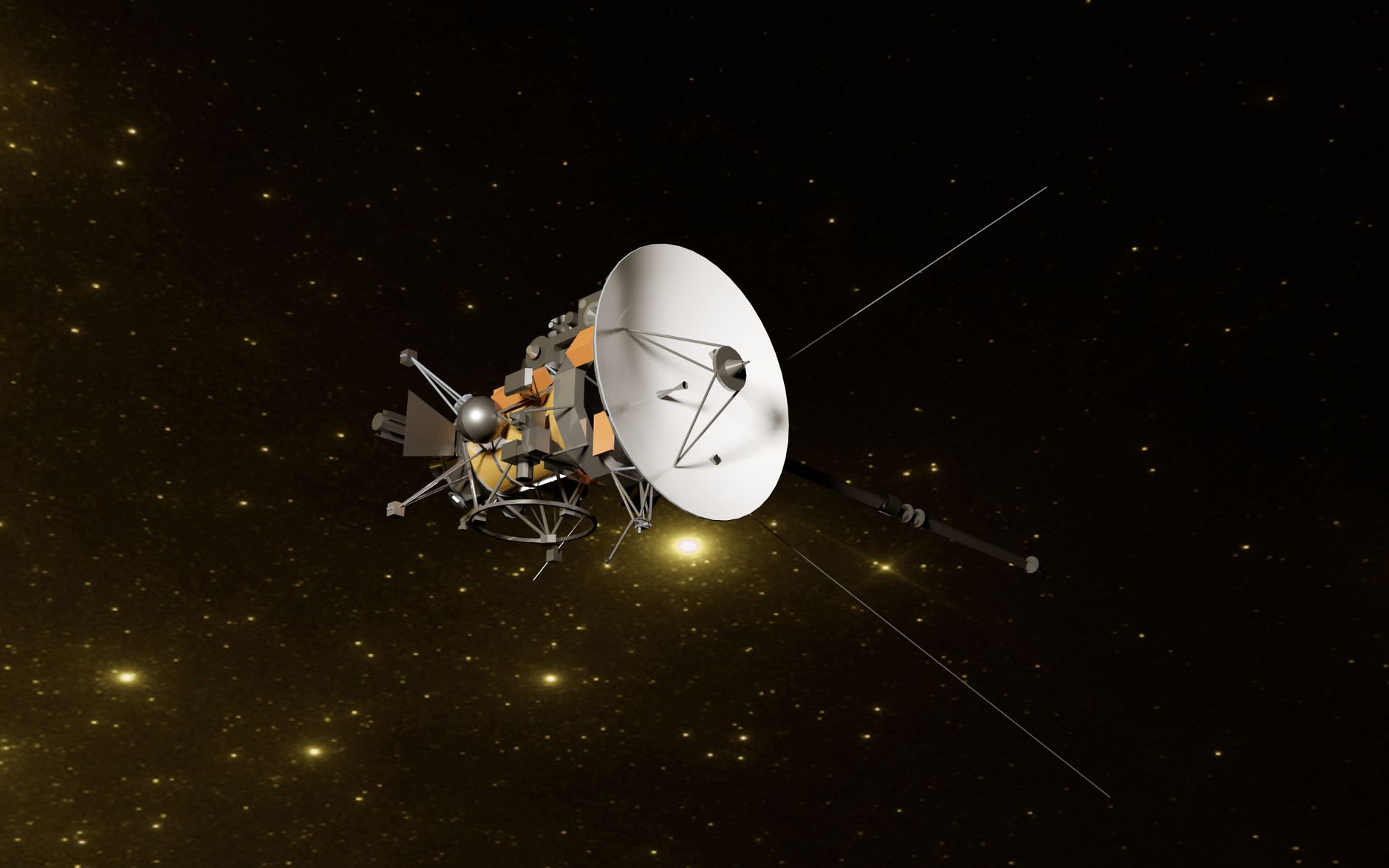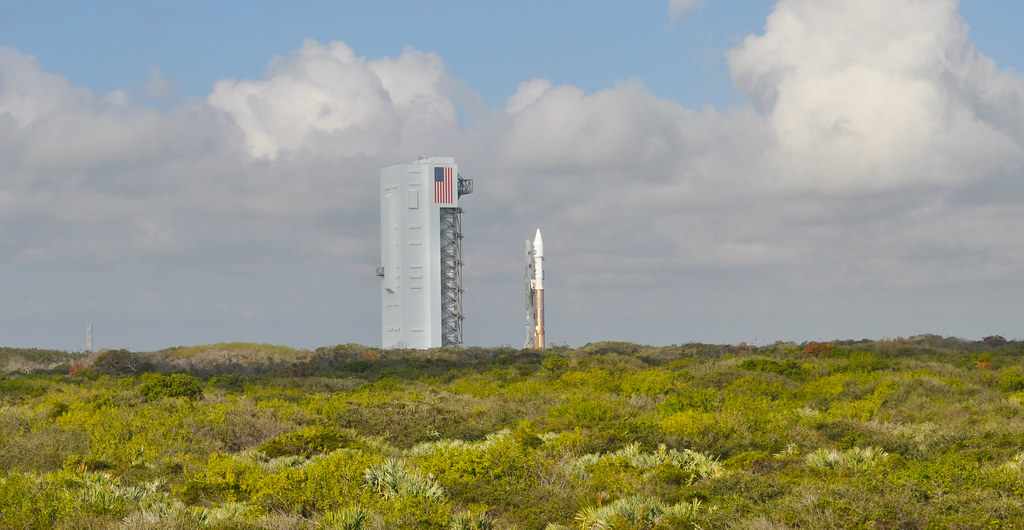
navigation satellite launch is a significant achievement as India successfully placed the NVS-03 satellite into orbit, marking a milestone in its space journey.
Overview of the NVS-03 Mission
The recent launch of the NVS-03 mission marks a significant advancement in navigation satellite technology. Conducted by the Indian Space Research Organisation (ISRO), this mission successfully placed the next-generation navigation satellite into orbit using the GSLV (Geosynchronous Satellite Launch Vehicle). The NVS-03 satellite is designed to enhance India’s navigation capabilities, providing accurate positioning services across various sectors.
This satellite is part of the Indian Regional Navigation Satellite System (IRNSS), which aims to offer precise location information to users in India and surrounding regions. With improved features and reliability, the NVS-03 mission demonstrates the best proven technology for space navigation.
- Launch Date: The NVS-03 was launched on October 14, 2023.
- Key Features: It includes advanced atomic clocks and improved signal strength.
- Impact: This technology is expected to benefit sectors such as transportation, agriculture, and disaster management.
As countries continue to invest in navigation satellite launches, the NVS-03 mission stands out as a testament to India’s growing capabilities in space technology.
Importance of Navigation Satellites
Navigation satellites play a crucial role in modern technology, influencing various sectors and daily activities. The recent navigation satellite launch of NVS-03 exemplifies the advancements in this field.
These satellites are essential for providing accurate positioning and timing services, which are vital for:
- Transportation: Enabling precise navigation for vehicles, ships, and aircraft, enhancing safety and efficiency.
- Agriculture: Supporting precision farming practices through accurate location data, improving crop yields.
- Telecommunications: Facilitating effective network synchronization and data transmission across vast distances.
- Disaster Management: Helping in quick response and recovery efforts through reliable location tracking.
Moreover, navigation satellites contribute to scientific research and environmental monitoring by providing critical data on geographical changes and climate patterns. The continuous development and deployment of navigation satellites, such as the recent NVS-03 launch, ensure that society can rely on the best proven technology for space, ultimately benefiting numerous industries and enhancing everyday life.
Navigation Satellite Launch Success
The recent launch of the NVS-03 satellite marks a significant achievement in the field of navigation satellite technology. Utilizing the GSLV (Geosynchronous Satellite Launch Vehicle), this mission successfully placed the next-generation navigation satellite into orbit, enhancing the country’s capabilities in satellite navigation systems.
The NVS-03 satellite is equipped with advanced features that improve accuracy and reliability, making it a crucial asset for various applications, including transportation, disaster management, and mobile communications. This launch not only demonstrates India’s growing expertise in space technology but also reinforces its position in the global arena of satellite navigation.
Key highlights of the navigation satellite launch include:
- Successful Orbit Insertion: The satellite was placed in its designated orbit with precision.
- Enhanced Features: NVS-03 provides better positioning and navigation services compared to its predecessors.
- Strategic Importance: This mission is part of a broader initiative to develop a robust navigation system.
Overall, the successful navigation satellite launch is a testament to technological advancements and strategic planning in the space sector.
Future of India’s Space Program
The future of India’s space program looks promising, particularly with the recent success of the navigation satellite launch. The NVS-03 mission marks a significant milestone, showcasing India’s commitment to advancing its capabilities in space technology. As the nation continues to develop its navigation satellite system, the focus will be on enhancing accuracy and reliability for various applications.
India aims to expand its satellite constellation to support a range of services including:
- Transportation: Improving logistics and navigation for road, air, and maritime travel.
- Agriculture: Providing critical data for farmers to optimize crop yields.
- Disaster Management: Offering real-time information to aid in crisis response.
- Urban Planning: Facilitating smarter city development through precise location data.
The successful deployment of navigation satellites like NVS-03 will not only bolster India’s position in the global space arena but also ensure that it remains at the forefront of technology innovation. With ongoing investments and research, the potential for future advancements is immense.
The success of recent navigation satellite launches has demonstrated the reliability of existing technologies. As we look to the future, the navigation satellite launch remains the best proven technology for space exploration and communication.
By NASA Goddard Photo and Video via Openverse