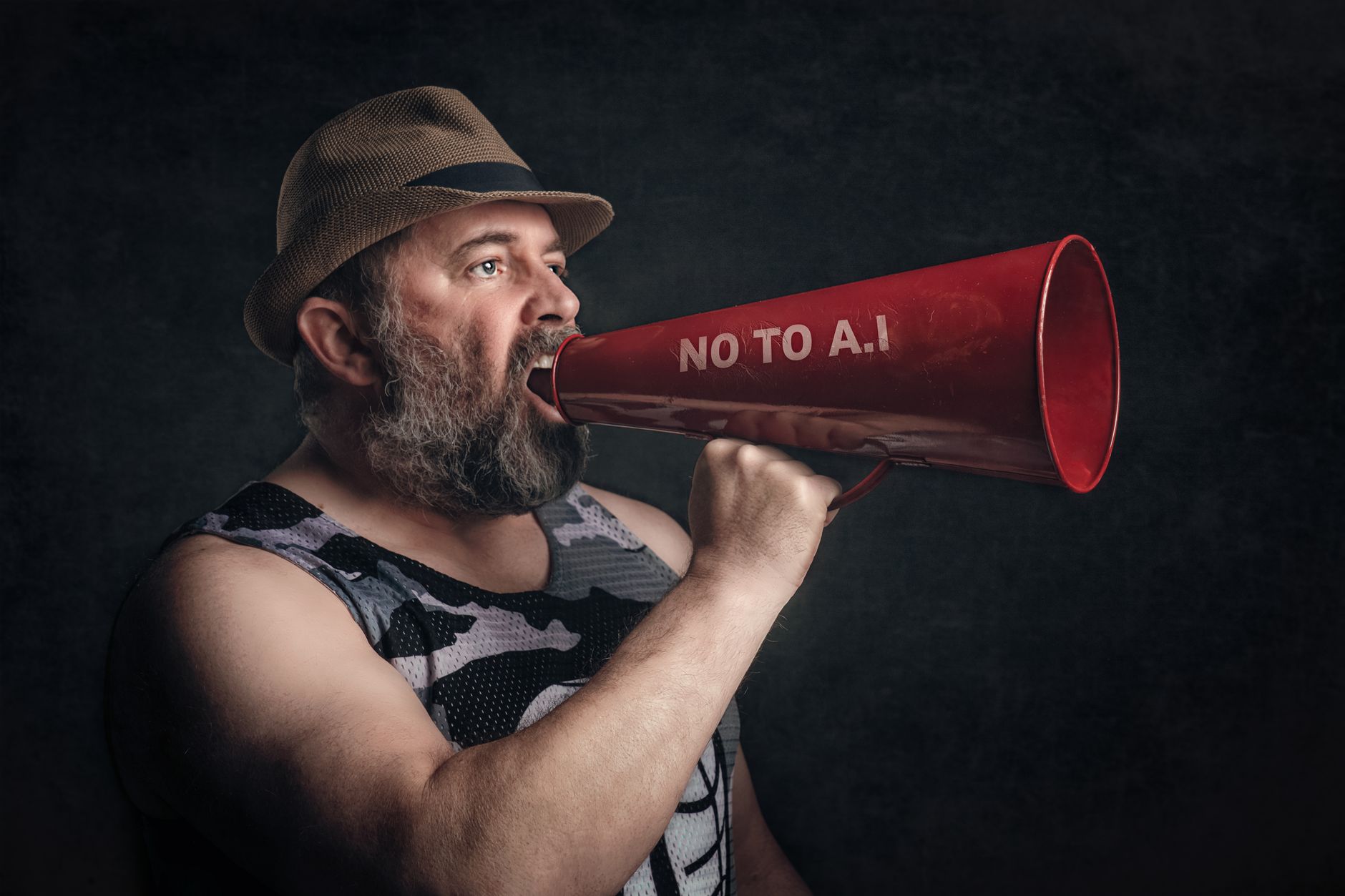
AI safety concerns are becoming a significant topic as new technologies emerge. This article explores the implications of these concerns on regulation and competition in the United States.
Understanding AI Safety Concerns
The rapid advancement of artificial intelligence (AI) technologies has sparked a growing debate around AI safety concerns. As AI becomes more integrated into various sectors, from healthcare to finance, the potential risks associated with its misuse or unintended consequences have come to the forefront.
Understanding these concerns involves recognizing several key issues:
- Autonomy and Control: As AI systems become more autonomous, there are fears regarding human oversight and control. This raises questions about accountability in case of failures or malicious uses.
- Bias and Fairness: AI algorithms can inadvertently perpetuate biases present in their training data. This can result in unfair treatment of individuals based on race, gender, or socioeconomic status.
- Security Risks: The potential for AI systems to be hacked or manipulated is a significant concern, especially in critical infrastructure and national security.
- Job Displacement: The automation capabilities of AI threaten traditional job markets, leading to economic and social implications that need to be addressed.
As these AI safety concerns continue to evolve, regulatory frameworks are being called into question, emphasizing the need for a balanced approach that fosters innovation while ensuring safety and ethical standards.
The Impact of Regulation on AI Development
The rapid advancement of artificial intelligence technology has prompted significant AI safety concerns, leading to calls for robust regulatory frameworks. As governments worldwide grapple with how to effectively oversee AI development, the implications of regulation are becoming increasingly evident.
One major impact of regulation is the potential for innovation stifling. While regulations aim to mitigate risks associated with AI, overly stringent rules may hinder the ability of companies to experiment and develop new technologies. Striking a balance between safety and innovation is essential to ensure that the growth of AI remains robust and forward-thinking.
Moreover, the regulatory landscape varies greatly across different regions, which can create challenges for companies operating on a global scale. Some key considerations include:
- Establishing clear guidelines that support ethical AI development
- Encouraging collaboration between industry stakeholders and regulatory bodies
- Addressing the potential for bias and discrimination in AI algorithms
Ultimately, the way in which governments choose to regulate AI will significantly shape the future of technology and its impact on society. As discussions continue, the need for a cohesive approach to address AI safety concerns cannot be overstated.
US Competition in AI Technology
The race for dominance in artificial intelligence (AI) technology has intensified, with numerous stakeholders emphasizing the need for a balanced approach to innovation and safety. As AI systems become increasingly integrated into various sectors, the importance of addressing AI safety concerns has never been more critical.
In the United States, companies are striving to lead in AI development, but the lack of clear regulatory frameworks poses significant challenges. The competition is not merely about technological advancement; it also encompasses ethical considerations and public trust. Key players in the industry argue that stringent regulations might hinder rapid progress, while others contend that safety measures are essential to prevent misuse and ensure societal well-being.
Several aspects of this competition have emerged:
- Investment in Research: Companies are pouring resources into AI research, focusing on both cutting-edge technology and safety protocols.
- Collaboration with Regulators: There is a growing call for partnerships between the tech sector and government entities to shape effective regulatory measures.
- Public Perception: As AI becomes more prevalent, public awareness and concern about potential risks are influencing business strategies.
Key Players in the AI Market
The rapidly evolving landscape of artificial intelligence (AI) has attracted a diverse range of key players, each contributing to the ongoing discourse surrounding AI safety concerns. These stakeholders include major technology corporations, startups, academic institutions, and governmental organizations.
Major Technology Corporations: Companies like Google, Microsoft, and Amazon are at the forefront of AI development. They invest heavily in research and development, pushing the boundaries of what AI can achieve while also facing scrutiny regarding the safety and ethical implications of their technologies.
Startups: A plethora of startups are emerging, focusing on niche areas within AI. Many of these companies are dedicated to addressing safety concerns by creating innovations that prioritize ethical standards and responsible use of technology.
Academic Institutions: Universities and research centers play a crucial role in advancing our understanding of AI safety. They conduct studies that inform best practices and propose frameworks for regulatory measures that can mitigate risks associated with AI deployment.
Governmental Organizations: Regulatory bodies are increasingly involved in discussions around AI safety concerns. Their role is essential in establishing guidelines that ensure the responsible use of AI technologies while promoting innovation in the industry.
Public Perception of AI Safety
The public perception of AI safety concerns is becoming increasingly pivotal in shaping the discourse around technology regulation. As artificial intelligence continues to advance, many individuals express apprehension about its implications for society. A recent survey revealed that 70% of respondents believe that AI poses significant risks, with a notable concern regarding its potential misuse.
Among the primary worries are issues related to privacy, security, and ethical considerations. Many fear that without adequate oversight, AI systems could exacerbate existing inequalities or lead to unintended consequences. Experts argue that these sentiments are rooted in a lack of understanding of how AI functions, which fuels skepticism and mistrust.
Furthermore, the rapid pace of AI development has outstripped the ability of regulatory bodies to provide sufficient guidelines. Public calls for transparency and accountability have intensified, prompting discussions on how to balance innovation with safety. Stakeholders, including tech companies and policymakers, must address these AI safety concerns to foster public confidence and ensure responsible deployment.
In conclusion, as the landscape of AI evolves, addressing public perception will be crucial for navigating the complex regulatory environment and ensuring that technological advancements benefit society as a whole.
Future of AI Regulation
The future of AI regulation is becoming increasingly crucial as AI safety concerns continue to dominate discussions among policymakers, technologists, and the general public. As artificial intelligence technologies evolve rapidly, the regulatory landscape must adapt to address potential risks while fostering innovation.
Experts suggest that a comprehensive framework is necessary to manage AI safety effectively. This framework could include:
- Risk Assessment: Implementing robust evaluation methods to determine the potential dangers associated with various AI applications.
- Transparency Requirements: Mandating that AI developers disclose information about their systems, including algorithms and training data.
- Accountability Measures: Establishing clear guidelines that hold companies responsible for AI-related incidents and failures.
- International Collaboration: Encouraging countries to work together to create standardized regulations that can be applied globally.
As the dialogue surrounding these AI safety concerns intensifies, the challenge lies in finding a balance between ensuring public safety and promoting technological advancement. Stakeholders must engage in open discussions to develop effective policies that protect citizens while allowing the AI sector to thrive.
Balancing Innovation and Safety
The rapid advancements in artificial intelligence have sparked a dual focus on innovation and safety. As companies strive to develop cutting-edge AI technologies, they must also address the growing AI safety concerns that accompany these innovations. Striking a balance between fostering creativity and ensuring public safety is a complex challenge that regulators are grappling with.
On one hand, there is a pressing need to encourage innovation in AI to maintain competitiveness in the global market. Key players in the tech industry argue that stringent regulations could stifle creativity and slow down progress. They believe that a collaborative approach between the public and private sectors is essential for developing safe AI solutions.
Conversely, safety advocates emphasize the importance of establishing clear guidelines to mitigate risks associated with AI technologies. These guidelines could help prevent potential misuse, bias, and other ethical issues that may arise as AI systems become more integrated into everyday life.
Ultimately, finding a middle ground that supports innovation while addressing safety concerns will be crucial for the future of AI regulation. Stakeholders must engage in ongoing dialogue to create a regulatory framework that fosters growth without compromising the safety and well-being of society.
Case Studies of AI Implementation
As AI technology continues to advance, various case studies illustrate the complexities of implementing these systems while addressing AI safety concerns. One notable example is the deployment of AI in healthcare diagnostics. In this sector, AI algorithms are trained to analyze medical images and provide diagnostic support. While these tools have shown promising results, the potential for misdiagnosis raises ethical questions and highlights the need for stringent regulatory frameworks.
Another case study involves autonomous vehicles. Companies like Tesla and Waymo have invested heavily in AI-driven technology to enhance transportation safety. However, the occurrence of accidents involving self-driving cars has sparked public outcry and prompted regulators to reconsider existing safety standards. Stakeholders argue that without proper oversight, the rapid advancement of AI could outpace the establishment of necessary safety protocols.
In the financial sector, AI is increasingly used for fraud detection. While this technology can improve efficiency and accuracy, there are concerns about data privacy and the potential for biased decision-making. Regulators are challenged to find a balance between encouraging innovation in AI applications and safeguarding public interests.
These case studies underscore the urgent need for comprehensive regulations that address AI safety concerns while fostering innovation across various industries.
Photo by Markus Winkler on Pexels