

Event materials are often the first thing to end up in the trash. Printed schedules, venue maps, and directional signs, useful in the moment but quickly outdated, generate unnecessary waste and logistical headaches. Forward-thinking planners are shifting to digital tools not just to modernize, but to align with their sustainability goals. Platforms like Brown Paper Tickets offer seamless tools for planning and execution, that make it easier to go digital without sacrificing organization or guest experience. When guests receive timely, clear, and accessible information on their devices, the event becomes smoother and greener from the start.
Digital materials do more than save trees. They reduce printing costs, eliminate reprints, adapt in real time, and help ensure attendees are guided thoughtfully from arrival to departure. With the right setup, going digital feels less like a sacrifice and more like an upgrade.
Smart Programs That Don’t Go to Waste
Printed event programs have long been considered essential. They list the agenda, speakers, sponsors, and site map, everything guests need to navigate the day. But they also require large print runs, leave no room for last-minute updates, and often get left behind. Digital programs solve these challenges. They can be hosted on mobile apps, event websites, or embedded in ticket confirmation emails. They can include hyperlinks, speaker bios, and personalized session reminders, features that aren’t possible with paper.
They also offer a quieter guest experience. Instead of flipping through a booklet during sessions, attendees can discreetly check the agenda on their phones. Updates can be pushed instantly, no need for reprints or whiteboards at the entrance. These efficiencies make digital programs an easy win for sustainability without compromising guest satisfaction.
Navigating With Clarity and Flexibility
Wayfinding is essential at any event. Guests need to know where to go, when to move, and how to find key locations. Traditional printed maps and directional signage often lack the flexibility to meet changing needs or accommodate diverse guests. Digital maps and navigation tools solve this by putting control in the guest’s hands. Mobile-optimized maps let users zoom in, search for spaces, and route to amenities. QR codes at entrances can link to maps, eliminating the need for large, printed layouts.
For larger events or venues, dynamic signage on screens or tablets can replace printed arrows or wall posters. These displays can be updated throughout the day as rooms shift or capacity changes. It reduces visual clutter and improves accessibility for guests with visual impairments or mobility needs. It also keeps the environment cleaner and less chaotic.
Signage That Adapts in Real Time
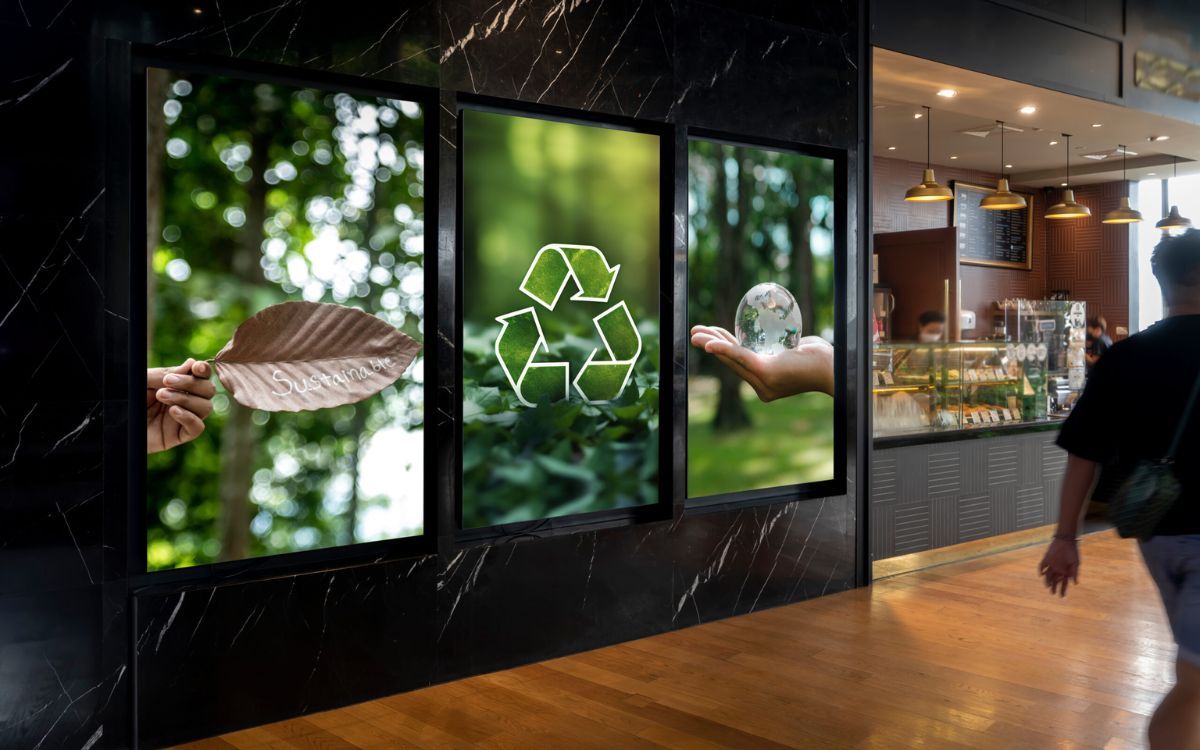
Printed signage is static and often thrown out at the end of the day. With every schedule change or room adjustment, planners are forced to improvise with markers, tape, or reprints. Digital signage allows for real-time communication. Screens can rotate through announcements, highlight upcoming sessions, or display live updates. In smaller spaces, even tablets or laptops can serve as flexible signs at registration, stage doors, or workshop entrances. This approach reduces waste while also enhancing the visual flow of the event. Signs can match the brand design, update automatically, and adjust for different audiences or languages.
It also creates a more professional appearance. Guests are less likely to miss key information and more likely to trust the overall flow of the event. Platforms like Brown Paper Tickets help streamline digital information delivery. Organizers can embed maps, session info, or digital program links directly in ticket confirmations, reminders, and post-registration updates. It means guests arrive prepared, and staff spend less time directing traffic.
Behavioral Nudges Through Digital Design
Behavioral science suggests that the way information is delivered affects how people respond to it. When guidance is clear, timely and presented in a familiar format, guests are more likely to follow instructions. Digital signage and programs create space for smarter messaging.
Organizers can place sustainability reminders, recycling instructions, or quiet room locations directly within the user’s journey. Instead of hoping guests read a poster, they see it when and where it matters most. Push notifications or SMS reminders can also be used to nudge behavior, like reminding guests to bring reusable bottles or head to their next session. These subtle cues increase compliance, reduce confusion, and support the overall event mission.
Saving Resources While Expanding Access
Cutting paper waste doesn’t mean cutting access. In fact, digital programs and signage often improve accessibility for guests who might struggle with print materials. Text can be resized, screen readers can interpret content, and translations can be added in a few clicks. It ensures that all attendees, not just those with perfect vision or English fluency, can navigate with confidence.
It also allows for more personalized delivery. Guests attending specific tracks can receive tailored schedules. Sponsors can share digital brochures with clickable content instead of handing out printed flyers. This kind of precision makes every communication more relevant and less disposable.
Cost Efficiency and Scalability
Sustainability often aligns with financial responsibility. Printing hundreds or thousands of booklets, posters, and signs adds quickly, especially when factoring in reprints for errors or schedule shifts. Digital delivery drastically reduces costs. Programs can be edited up to the event’s day. Signage can be reused, adjusted, and scaled across venues. Maps no longer require floor-to-ceiling boards or stacks of copies at the door.
It means that funds can be redirected toward content, accessibility or guest amenities, not printing, for events on tight budgets. It also supports growth. As attendance scales, digital delivery remains just as efficient. One map, program or schedule can serve hundreds or thousands, without added paper or production time.
Post-Event Cleanup Made Easy
One of the quiet burdens of physical signage and printed programs is post-event cleanup. Collecting discarded papers, dismantling posters and sorting recyclables can be labor-intensive and costly. With digital materials, there’s nothing to tear down. Content can stay live for guests who want to revisit it later or be turned off with a single click. Data can be gathered from app interactions or digital forms, eliminating the need for paper surveys or handwritten notes. Follow-up emails can reinforce key messages, highlight favorite sessions or guide guests to feedback links, all without printing on another sheet.


