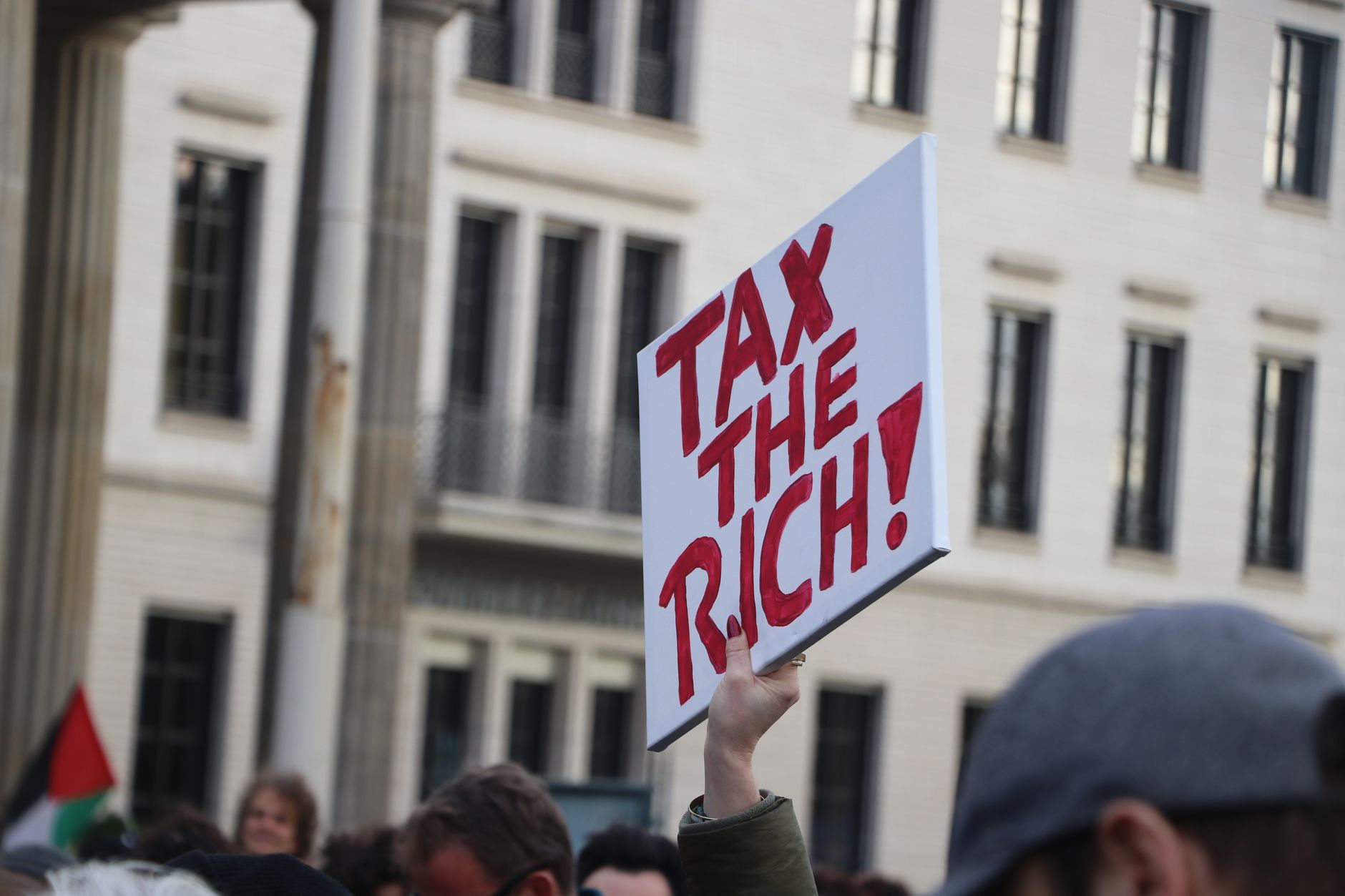
Billionaire tax AI inequality is becoming a hot topic, especially with Bill Gates advocating for it. This move aims to address the growing disparities in wealth and opportunity in the AI-driven economy.
What is the billionaire tax?
The billionaire tax is a proposed taxation system aimed at taxing the wealth of individuals with assets exceeding a billion dollars. Advocates argue that this tax could be a crucial tool in addressing the growing disparity in wealth exacerbated by advancements in artificial intelligence (AI) and automation. As AI continues to reshape industries, many fear that the benefits will disproportionately favor the wealthy, leading to increased inequality.
Supporters of the billionaire tax, including notable figures such as Bill Gates, believe that this measure can help redistribute wealth and fund essential public services, thereby leveling the playing field. They argue that the revenues generated could be invested in education, healthcare, and technology access for underprivileged communities, which would be vital in an AI-driven economy.
- Potential benefits of the billionaire tax include:
- Wealth redistribution: Ensuring fairer distribution of resources.
- Funding public services: Supporting education and healthcare initiatives.
- Addressing AI inequality: Mitigating the impact of automation on low-income workers.
How AI is impacting wealth inequality
The rapid advancement of artificial intelligence (AI) has sparked a renewed debate about wealth inequality, particularly in the context of the billionaire tax. As AI technologies evolve, they are reshaping industries and creating unprecedented economic opportunities, but not everyone is benefiting equally.
Many argue that the concentration of wealth among a small group of billionaires is exacerbated by the rise of AI, which can automate jobs and streamline processes, often at the expense of traditional labor. This situation has led to:
- Job Displacement: Many workers face unemployment as AI systems take over tasks previously performed by humans.
- Wealth Concentration: The owners of AI technologies reap substantial profits, widening the gap between the rich and the poor.
- Access to Resources: Those without the means to invest in AI tools are left behind, further entrenching economic disparities.
In light of these challenges, a billionaire tax may be seen as a potential solution to address the growing AI inequality.
Bill Gates’ stance on taxation
Bill Gates has emerged as a notable proponent of implementing a billionaire tax to combat the growing wealth disparity exacerbated by advancements in artificial intelligence. He argues that as AI continues to revolutionize industries, it creates unprecedented opportunities for wealth accumulation among a select few, further widening the gap between the rich and the poor.
In Gates’ view, a billionaire tax could serve as a pivotal measure to redistribute wealth more equitably in an era marked by technological advancements. He emphasizes that it is essential to ensure that those who benefit immensely from AI innovations contribute their fair share to society.
Moreover, Gates suggests that the revenue generated from such a tax could be reinvested in education and job training programs, helping to equip the workforce with the necessary skills to thrive in a rapidly changing economy. In doing so, he believes that society can address AI inequality and create a more balanced economic landscape.
Potential effects of a billionaire tax
The implementation of a billionaire tax could have significant potential effects on addressing AI-driven inequality. By redistributing wealth from the richest individuals, such a tax aims to create a more equitable economic landscape. This could lead to increased funding for public services, education, and technology access, benefiting those disproportionately affected by the rise of artificial intelligence.
Moreover, the revenue generated from this tax could be directed towards initiatives that support workforce transition, ensuring that individuals displaced by AI advancements are not left behind. Advocates argue that a billionaire tax would not only alleviate financial strain on lower-income populations but also foster innovation and economic growth by investing in critical areas like infrastructure and renewable energy.
- Increased public funding: Enhancing education and job training programs.
- Wealth redistribution: Supporting social safety nets for affected communities.
- Investment in technology: Fostering inclusivity in the tech sector.
Ultimately, a billionaire tax could be a crucial step in mitigating the widening gap exacerbated by AI inequality.
Public opinion on billionaire taxation
Public opinion on billionaire taxation has become increasingly polarized as discussions around AI inequality gain traction. Many citizens believe that implementing a billionaire tax could help reduce the wealth gap exacerbated by advancements in artificial intelligence. A recent survey revealed that:
- 65% of respondents support a tax on billionaires to fund social programs.
- 70% agree that wealthy individuals should contribute more to address the challenges posed by AI.
- 50% believe that without such measures, AI could further entrench existing inequalities.
However, there are concerns about the effectiveness of a billionaire tax. Critics argue that it may not sufficiently address the systemic issues surrounding wealth distribution in the age of technology. Additionally, some fear that it could deter innovation and investment in AI. As the debate continues, it remains to be seen whether a billionaire tax will emerge as a viable solution for the growing issue of AI inequality.
Comparative analysis of global tax policies
As discussions surrounding the billionaire tax gain momentum, a comparative analysis of global tax policies reveals significant disparities in approaches to wealth distribution. Numerous countries have adopted varying degrees of wealth taxation, each with its own implications for addressing AI inequality.
- European Union: Several EU nations implement progressive tax systems, aiming to redistribute wealth more effectively. Countries like France have seen debates over taxing the richest citizens more heavily, particularly in light of rapid technological advancements.
- United States: The U.S. tax system, characterized by lower rates for capital gains, has been criticized for exacerbating wealth inequality. Advocates argue that a billionaire tax could help align the system with the economic realities driven by AI innovation.
- Asia: In contrast, countries like Singapore maintain low tax rates to attract investment, raising questions about their long-term sustainability in addressing inequality.
Ultimately, the effectiveness of a billionaire tax in tackling AI-induced inequality depends on a comprehensive evaluation of these diverse tax frameworks.
Future implications for AI and economy
The future implications of a billionaire tax in the context of AI inequality raise significant questions about economic structures and social equity. As artificial intelligence continues to reshape industries, we may see a widening gap between the ultra-wealthy and the average worker. A billionaire tax could serve as a pivotal strategy to redistribute wealth and fund essential services that support those left behind in the technological revolution.
Moreover, by addressing the concentration of wealth among billionaires who benefit from AI advancements, such a tax could encourage a more balanced economy. It may also foster innovation by reallocating resources towards education and job training programs, ensuring that the workforce is equipped for the jobs of the future.
However, critics argue that while the billionaire tax might alleviate some immediate disparities, it is not a comprehensive solution to the systemic issues stemming from AI-driven inequality. Ongoing dialogue and policy innovation will be crucial as we navigate these complex challenges.
Supporters argue that a billionaire tax AI inequality could help redistribute wealth and fund initiatives aimed at bridging the technological gap. However, critics question whether such a tax would effectively address the root causes of billionaire tax AI inequality in the first place.
Photo by Shabeer Mohamed on Pexels