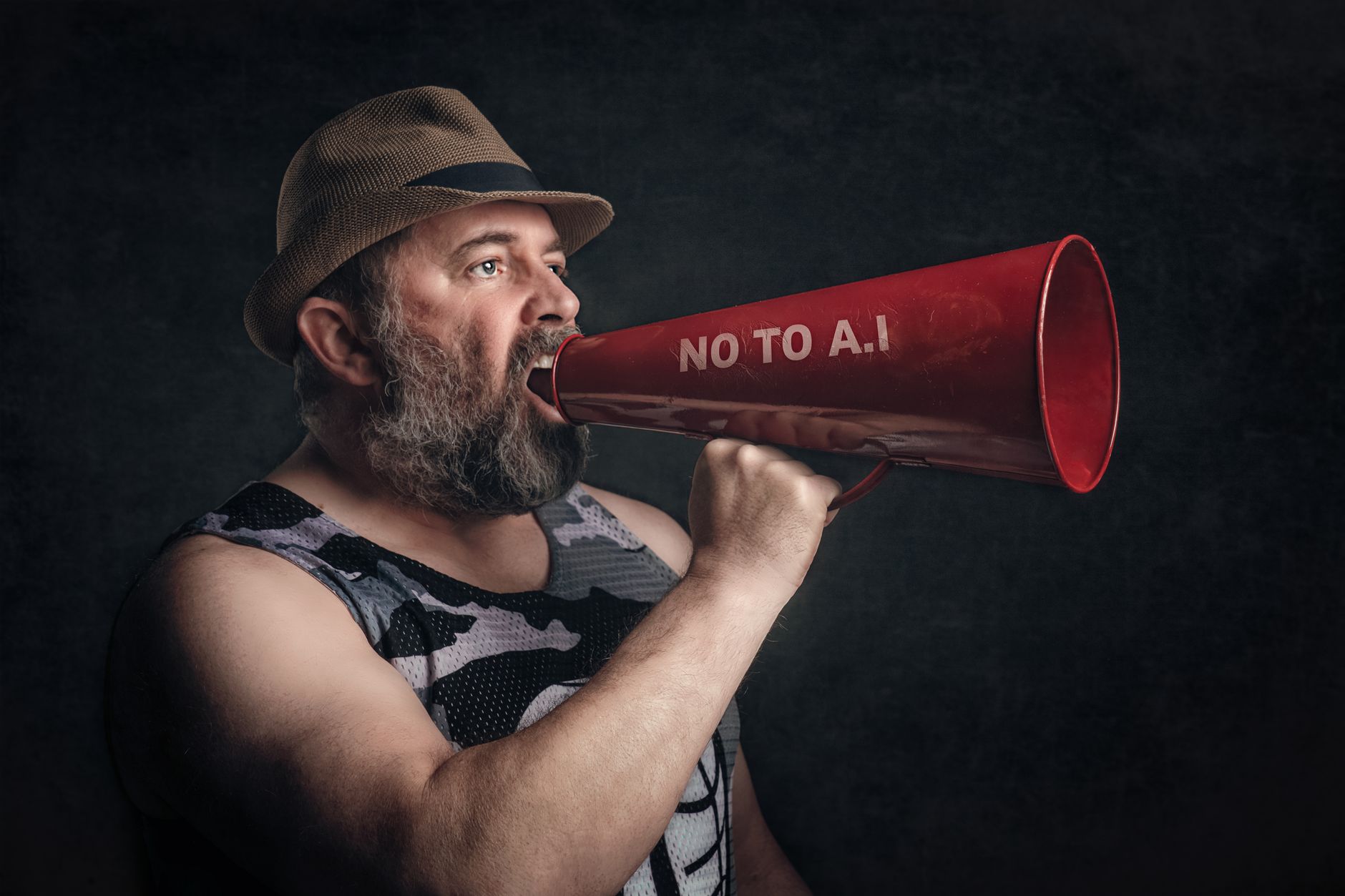
AI models regulation is becoming a hot topic as new bills propose pausing AI advancements if they pose risks to human lives. This could reshape the future of AI development.
Understanding AI Models Regulation
The ongoing debate surrounding AI models regulation has raised significant concerns among experts and innovators alike. As companies develop increasingly sophisticated artificial intelligence systems, lawmakers are striving to keep pace with the rapid advancements. A recent proposal suggests that if an AI model could potentially lead to the death of 50 or more individuals, its deployment would be paused for review. This notion has sparked controversy, with critics arguing that such stringent measures could stifle innovation in the tech industry.
Some key points in the discussion include:
- The balance between safety and technological advancement.
- The potential for overregulation to hinder progress.
- The need for clear guidelines to ensure responsible AI development.
As this debate unfolds, the implications for the future of AI innovation remain uncertain.
The Risks of AI Development
The rapid development of AI models has raised significant concerns regarding regulation and its potential impact on innovation. The proposed legislation, which would pause AI models if they pose a risk of causing harm, could stifle advancements in the field.
This regulatory approach carries several risks:
- Innovation Stagnation: Overly stringent regulations may deter investment and research opportunities, leading to a slowdown in technological progress.
- Competitive Disadvantage: Countries with less restrictive regulations may outpace those that impose strict AI models regulation, resulting in a loss of global competitiveness.
- Job Creation: The AI industry holds the promise of creating new jobs; however, excessive regulation could hinder employment growth in this sector.
Balancing safety and innovation is crucial to ensure the responsible development of AI technologies.
Impact on Businesses and Startups
The recent discussions surrounding AI models regulation have raised concerns about the potential impact on businesses and startups. Many industry leaders argue that stringent regulations could stifle innovation and hinder the ability to compete in a rapidly evolving market.
Startups, in particular, may struggle to navigate the complexities of compliance, diverting valuable resources away from research and development. The following points illustrate the potential challenges:
- Increased compliance costs could limit funding for innovative projects.
- Regulatory hurdles may delay product launches, impacting time-to-market advantages.
- Over-regulation could discourage new entrants, leading to less competition in the industry.
As the conversation continues, it is crucial to find a balance that fosters innovation while ensuring safety and accountability in AI development.
Legislative Developments in AI
Recent legislative developments surrounding AI models regulation have sparked intense debate among industry leaders and policymakers. The proposed bills aim to implement strict guidelines on the development and deployment of artificial intelligence technologies. One notable proposal suggests a pause on AI models if they are deemed to pose a risk of causing significant harm, particularly if the potential for loss of life exceeds fifty individuals.
This approach raises concerns about stifling innovation. Critics argue that such regulations could hinder the pace of technological advancement, making it difficult for startups and established companies to compete globally.
As the landscape evolves, stakeholders are closely monitoring these legislative efforts, emphasizing the need for a balanced approach that ensures safety without compromising the innovative potential of AI.
In this context, the focus on AI models regulation continues to be a pivotal issue in shaping the future of technology.
Public Opinion on AI Safety
Public opinion on AI models regulation is increasingly polarized as concerns about safety and innovation clash. Many individuals believe that stringent regulations are necessary to prevent potential harms associated with AI technologies. However, others argue that excessive regulation could stifle creativity and slow down technological advancement.
Surveys indicate a growing awareness of AI’s capabilities and risks, with respondents highlighting the following points:
- Safety First: A significant portion of the public supports regulations aimed at ensuring AI models do not pose risks to human lives.
- Innovation Concerns: Many fear that heavy-handed regulations could hinder startups and established companies from developing groundbreaking technologies.
- Balancing Act: Finding a middle ground between safety and innovation remains a key concern among stakeholders.
As discussions evolve, the future of AI models regulation continues to spark debate.
Future of AI Innovation
The future of AI innovation is at a critical juncture as discussions surrounding AI models regulation intensify. Proponents argue that regulations are essential to ensure safety and ethical usage, while critics warn that excessive oversight could stifle creativity and progress.
Many industry leaders are concerned that stringent regulations could lead to:
- Decreased investment in AI technologies, as companies may fear regulatory backlash.
- Delayed advancements in AI capabilities, hindering breakthroughs that could address global challenges.
- Loss of competitive edge for startups unable to navigate complex regulatory landscapes.
As the debate continues, finding a balance between safety and innovation will be crucial for the future of AI development.
Key Players in AI Regulation
As discussions around AI models regulation intensify, several key players are shaping the future of these policies. Among them are:
- Government Agencies: Regulatory bodies are tasked with overseeing AI development to ensure public safety and ethical standards.
- Tech Companies: Major firms like Google and Microsoft are developing their own frameworks to address safety while pushing back against excessive regulation.
- Advocacy Groups: Organizations focused on consumer rights and ethical technology advocate for regulations that promote transparency and accountability.
- Academia: Researchers contribute significantly to understanding the implications of AI, influencing policy through studies and expert opinions.
The collaboration and conflicts among these players will determine how effectively AI models regulation can balance innovation with safety concerns.
What This Means for Developers
The recent discussions surrounding AI models regulation have significant implications for developers in the tech industry. As new legislation emerges, developers may face heightened scrutiny and restrictions on their projects. This could lead to a chilling effect on innovation, as teams become overly cautious about meeting regulatory demands.
In particular, the proposed guidelines that suggest pausing AI model development if potential risks are identified could hinder progress. Developers may find themselves in a challenging position, balancing the desire to innovate with the fear of regulatory repercussions.
Moreover, the uncertainty surrounding these regulations might deter investment in AI projects, making it harder for developers to bring their ideas to life. As the landscape evolves, it is crucial for developers to stay informed and adapt to the shifting regulatory environment to navigate these challenges effectively.
By pedrik via Openverse
Read the original
Seeker Connect launch: The Best Smart Solution for Solana Users · PS5 update after jailbreak: Proven steps to secure your console · HCLTech AI vehicle validation: Is it the best proven solution?