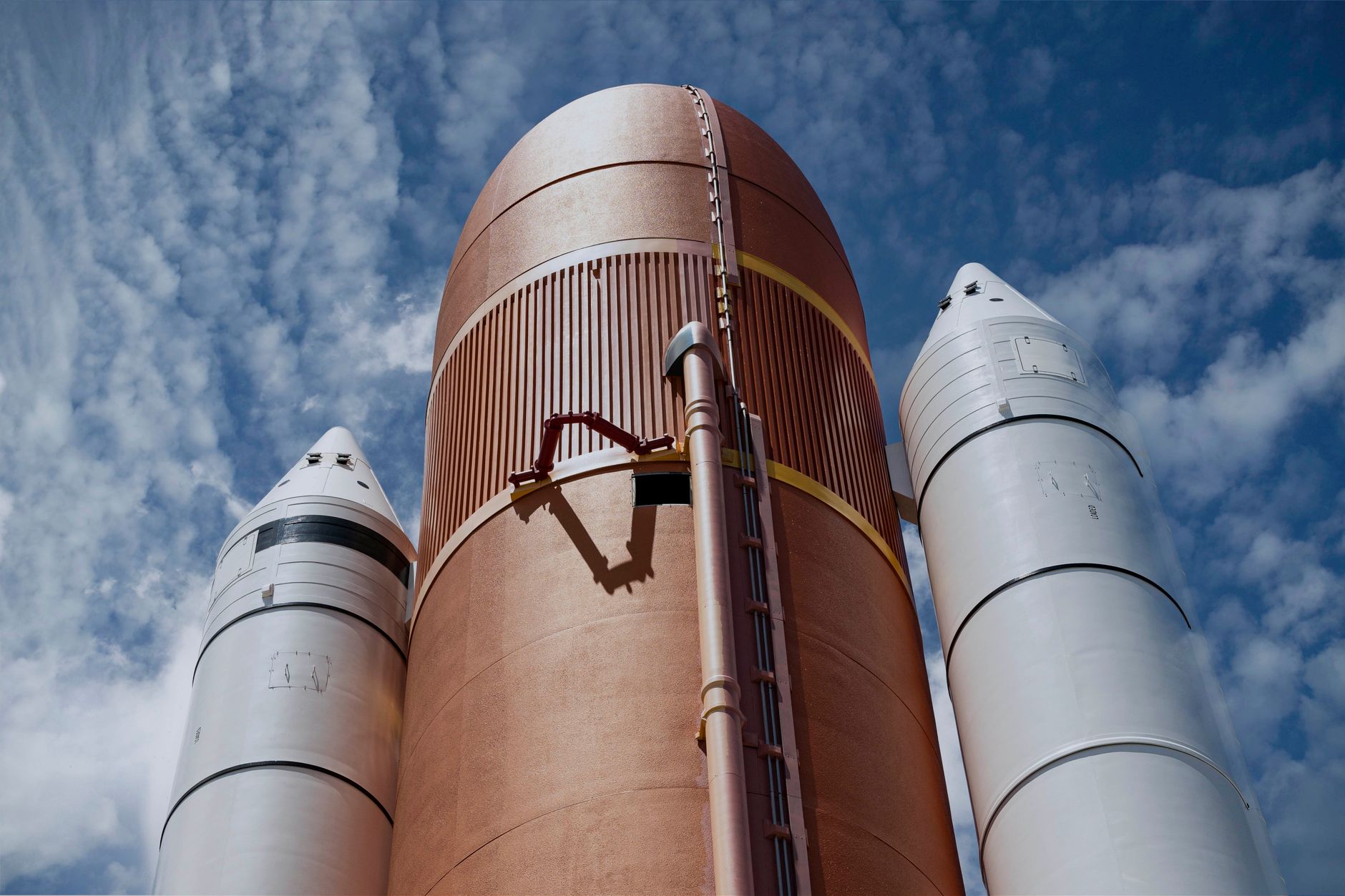
ISRO methane rocket test is a bold step inspired by SpaceX’s Starship technology. As the Indian Space Research Organisation explores new frontiers, understanding the risks and benefits becomes crucial.
Understanding ISRO’s Methane Rocket Test
The Indian Space Research Organisation (ISRO) has embarked on an ambitious project to explore the potential of methane as a rocket fuel. This initiative, known as the ISRO methane rocket test, aims to develop a more efficient and environmentally friendly propulsion system. Methane, while considered dangerous, offers several advantages over traditional rocket fuels.
Notably, the use of methane can lead to:
- Reduced costs: Methane is more affordable and easier to produce.
- Lower emissions: It produces fewer pollutants compared to conventional fuels.
- Higher efficiency: Methane engines can achieve better performance and longer missions.
Inspired by SpaceX’s advancements, ISRO’s test signifies a significant step toward innovative space travel solutions.
The Technology Behind Methane Propulsion
The technology behind methane propulsion is gaining attention in the aerospace community, particularly with ISRO’s methane rocket test. Methane, when used as rocket fuel, offers several advantages over traditional propellants.
- Efficiency: Methane provides a higher specific impulse, which translates to better fuel efficiency.
- Cost-effective: The production of methane is less expensive, making it an attractive option for future missions.
- Environmental Impact: Compared to kerosene, methane combustion releases fewer harmful emissions.
- In-situ Resource Utilization: Methane can potentially be produced on Mars, supporting future exploration missions.
Inspired by technologies like SpaceX’s Starship, ISRO’s methane rocket test signifies a significant leap towards sustainable and efficient space travel, paving the way for more ambitious missions in the years to come.
Comparing ISRO and SpaceX Innovations
The recent ISRO methane rocket test showcases the agency’s commitment to advancing its technology in line with global trends. In comparing ISRO with SpaceX, several innovative approaches stand out:
- Propulsion Systems: Both ISRO and SpaceX are exploring methane as a viable fuel source, with SpaceX pioneering the use of liquid methane in its Starship program.
- Cost Efficiency: The use of methane could reduce launch costs significantly, which is a goal shared by both organizations.
- Sustainability: Methane is less toxic compared to traditional rocket fuels, making it a safer alternative for future missions.
As ISRO continues to develop its methane propulsion technologies, the insights gained from this test may align closely with those of SpaceX, enhancing the future of space travel. The ISRO methane rocket test represents a strategic move towards modernization and innovation.
Safety Concerns of Methane in Rockets
As ISRO advances its methane rocket test, safety concerns surrounding the use of methane as a propellant remain a topic of discussion. Methane, while offering several advantages, poses certain risks that need thorough evaluation.
Key safety concerns include:
- Flammability: Methane is highly flammable, increasing the risk of fire during launches and landings.
- Storage challenges: The cryogenic storage of methane can lead to issues if not managed properly, including leaks and pressure build-up.
- Environmental impact: While methane burns cleaner than traditional rocket fuels, its production and transportation can still pose environmental risks.
Despite these challenges, ISRO’s methane rocket test aims to innovate space travel, potentially leading to safer and more efficient propulsion technologies in the future.
Future of Rocket Propulsion
The future of rocket propulsion is poised for significant transformation, particularly with innovative approaches like the ISRO methane rocket test. This groundbreaking research aims to enhance sustainability and efficiency in space travel.
Experts believe that methane as a rocket fuel presents numerous advantages:
- Lower Cost: Methane is more affordable compared to traditional rocket fuels.
- Environmental Impact: It produces fewer emissions, aligning with global sustainability goals.
- In-Situ Resource Utilization: Methane can potentially be produced on Mars, supporting long-term missions.
The ISRO methane rocket test not only reflects a commitment to innovation but also positions India as a key player in the competitive space sector. As agencies explore new frontiers, advancements in propulsion technology will be crucial for future missions beyond Earth.
Potential Benefits for Space Missions
The recent ISRO methane rocket test presents several potential benefits for future space missions. By utilizing methane as a fuel source, ISRO aims to enhance the efficiency and sustainability of rocket launches. This innovative propulsion method offers the following advantages:
- Cost-Effectiveness: Methane is more affordable compared to traditional rocket fuels, potentially reducing overall mission costs.
- Environmental Impact: The use of methane may result in lower carbon emissions, aligning with global efforts towards greener aerospace technologies.
- In-Situ Resource Utilization: Methane can potentially be sourced from extraterrestrial bodies, allowing for refueling in space and supporting longer missions.
- Increased Performance: Methane rockets can offer higher efficiency, enabling heavier payloads and more ambitious exploration goals.
The ISRO methane rocket test marks a significant step towards revolutionizing space travel and exploration.
Conclusion: The Path Forward for ISRO
In conclusion, the ISRO methane rocket test represents a pivotal step forward for India’s space ambitions. By exploring methane as a propellant, ISRO not only aligns itself with cutting-edge technologies but also enhances its potential for sustainable space travel.
This innovation could lead to significant advancements in the efficiency and safety of future missions. As methane technology continues to develop, ISRO’s commitment to testing and refining these systems will be crucial.
Moreover, the collaboration and competition with global entities like SpaceX will foster a dynamic environment for technological exchange and growth.
Ultimately, the ISRO methane rocket test is not just about propulsion; it is about paving the way for a new era in space exploration, ensuring that India remains a key player in the global space race.