China Long March-12 rocket has successfully launched a new internet satellite group, marking a significant milestone in space technology and connectivity.
Overview of the Long March-12 Rocket
The China Long March-12 rocket has emerged as a significant player in the country’s space exploration efforts. Designed for carrying payloads into low Earth orbit, this rocket is equipped with advanced technology that enhances its capabilities.
With a maximum payload capacity of around 1.5 tons, the Long March-12 is particularly well-suited for launching small satellite groups, such as the recent deployment of a new internet satellite constellation. This constellation aims to improve communication networks across various regions, making internet access more reliable and widespread.
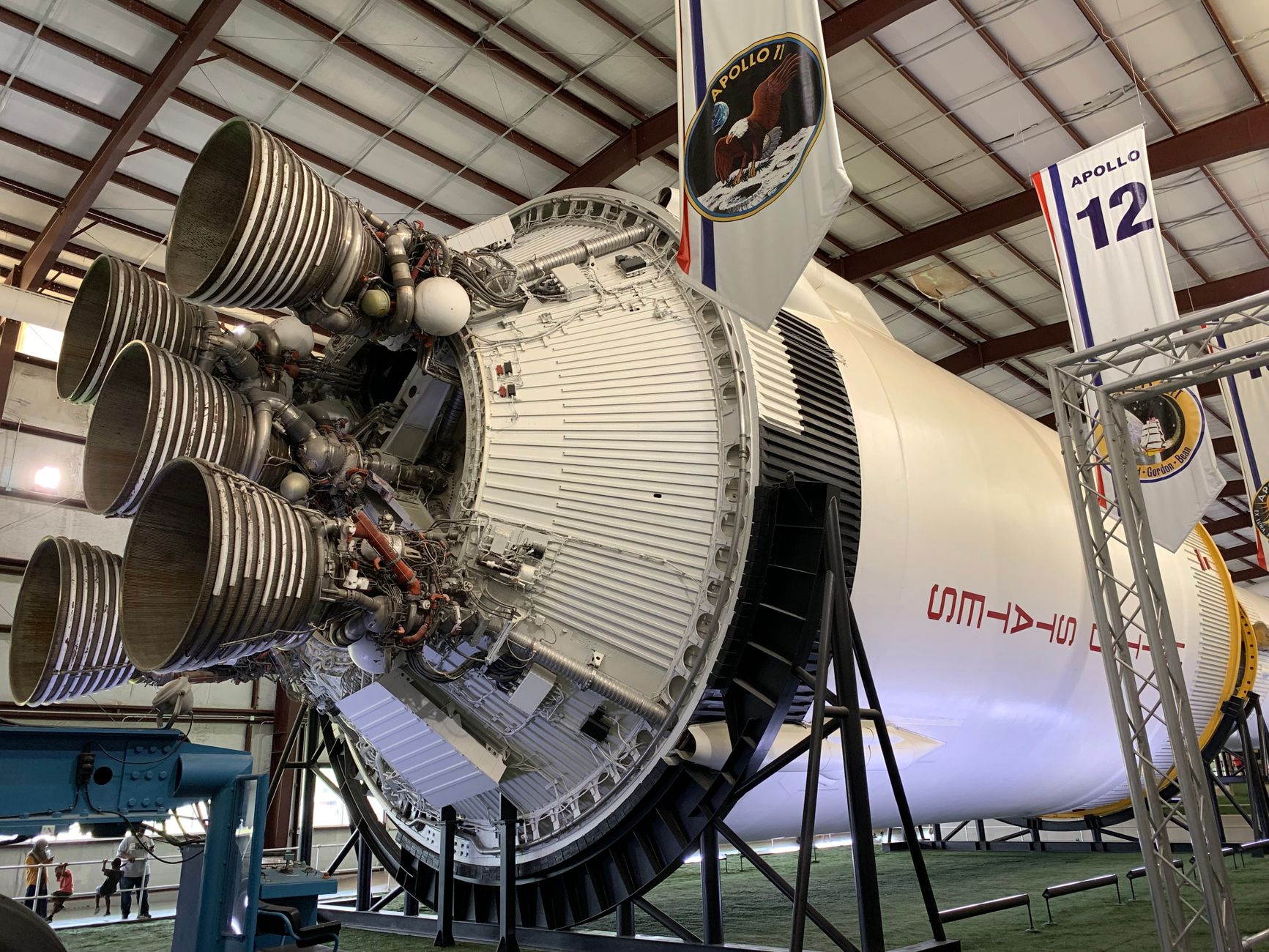
The rocket’s design features a streamlined structure, allowing for greater efficiency during launch. Its multiple engines provide powerful thrust, ensuring successful liftoff and orbit insertion. The launch operations are part of China’s broader strategy to expand its presence in space and enhance its satellite communication technology.
As part of ongoing advancements, the Long March-12 rocket has undergone several successful missions, showcasing China’s growing expertise in rocket technology. The latest launch signifies a step forward in meeting the increasing demand for internet connectivity in both urban and rural areas.
Significance of the New Satellite Group
The launch of the new internet satellite group by the China Long March-12 rocket represents a significant advancement in the country’s space capabilities and its commitment to expanding its telecommunications infrastructure.
This satellite group aims to enhance internet coverage across both urban and rural areas, bridging the digital divide and providing access to remote regions. The implications of this initiative are profound, particularly for:
- Economic Development: Improved internet access can stimulate local businesses and attract investments, fostering economic growth.
- Educational Opportunities: Students in underserved areas will gain access to online learning resources, promoting educational equity.
- Disaster Response: Enhanced communication networks can improve coordination during emergencies, potentially saving lives.
Furthermore, the launch signifies China’s ambitions in the global space race, positioning the nation as a leader in satellite technology. The China Long March-12 rocket not only showcases domestic engineering prowess but also emphasizes the importance of satellite networks in modern society.
As the satellite group becomes operational, it is expected to play a crucial role in supporting various industries, from agriculture to finance, highlighting the multifaceted significance of this launch.
Previous Launches by China
China’s commitment to expanding its satellite capabilities is evident in its series of successful launches. The Long March-12 rocket has played a pivotal role in these endeavors, showcasing the nation’s growing expertise in space technology.
In previous missions, the Long March-12 rocket has been instrumental in deploying various types of satellites, contributing to different sectors such as telecommunications, Earth observation, and scientific research. Notable launches include:
- Launch of the Tianwen-1 Mars Mission: Utilizing the Long March-12, this mission marked China’s first attempt to explore Mars and successfully placed a rover on the Martian surface.
- Deployment of the BeiDou Navigation Satellite System: This series of launches enabled China to establish a comprehensive global navigation network, enhancing both civilian and military applications.
- Earth Observation Satellites: Several Earth observation satellites were launched to improve environmental monitoring and disaster management capabilities.
These previous launches illustrate the versatility and reliability of the Long March-12 rocket, making it a key asset in China’s ongoing efforts to advance its space exploration and satellite communication initiatives.
Technological Advancements in Space
The recent launch of the China Long March-12 rocket marks a significant milestone in the realm of space technology. This mission not only signifies China’s advancements in rocket technology but also highlights the increasing capabilities of its satellite systems.
With each launch, the Long March-12 demonstrates improved payload capacity and efficiency, showcasing innovations such as:
- Enhanced propulsion systems: These systems enable faster and more reliable launches.
- Advanced materials: Utilization of lighter and more durable materials contributes to overall performance.
- Smart satellite integration: The new satellite group is equipped with cutting-edge technology for better data transmission.
These technological advancements not only bolster China’s position in the global space race but also provide critical infrastructure for communications, navigation, and data services. As the China Long March-12 rocket continues to evolve, it is paving the way for future explorations and innovations in space, indicating a promising future for the nation’s space endeavors.
Impact on Global Internet Connectivity
The successful launch of the China Long March-12 rocket marks a significant milestone in enhancing global internet connectivity. As the new internet satellite group enters orbit, it promises to bridge the digital divide, particularly in underserved regions. With the increasing demand for reliable internet access, this launch comes at a crucial time when many areas still lack sufficient infrastructure.
This satellite group is designed to improve broadband services, enabling faster and more stable connections for users around the world. The technology deployed is expected to support various applications, from everyday communications to critical services in education and healthcare.
- Increased Access: The new satellites will provide internet access to remote areas, allowing more people to connect online.
- Enhanced Speed: Users will experience improved internet speeds, facilitating smoother online activities.
- Global Implications: The initiative could reshape how countries approach internet governance and infrastructure development.
As China continues to invest in satellite technology, the impact of the Long March-12 rocket’s launch could resonate well beyond its borders, fostering a more interconnected world.
Future Plans for Satellite Launches
China’s space agency has ambitious plans for future satellite launches, particularly focusing on expanding its capabilities with the Long March-12 rocket. The successful deployment of the new internet satellite group marks just the beginning of a series of planned launches aimed at enhancing global connectivity.
In the coming months, further launches are scheduled to increase the number of satellites in orbit. This expansion is expected to offer improved internet services, especially in rural and underserved areas. The Long March-12 rocket is set to play a crucial role in these missions, showcasing its reliability and efficiency.
Key objectives for these future launches include:
- Increasing satellite coverage: More satellites will provide better data transmission and internet coverage worldwide.
- Enhancing technology: Additional missions aim to deploy satellites equipped with advanced technologies for improved performance.
- Collaborative projects: China is exploring partnerships with other nations to foster joint satellite initiatives.
As the China Long March-12 rocket continues to demonstrate its capabilities, it solidifies China’s position in the global space race, ensuring that the nation remains at the forefront of technological advancements in satellite communications.
Challenges in Rocket Launching
The launch of the China Long March-12 rocket marks a significant achievement, yet it is not without its challenges. Rocket launching involves a complex interplay of engineering, environmental, and logistical factors that can impact mission success.
One of the primary challenges is the precision required in the launch trajectory. Even minor deviations can lead to satellite deployment in incorrect orbits, potentially compromising their functionality. Additionally, the need to ensure safety protocols is paramount, as any miscalculation can pose risks to surrounding areas and personnel.
Weather conditions are another critical factor. Adverse weather, such as strong winds or storms, can delay launches and require rescheduling. Furthermore, the integration of new technologies, while enhancing capabilities, also presents obstacles, including the need for rigorous testing and validation to ensure reliability.
International regulations and cooperation further complicate the landscape, as compliance with numerous global standards is essential for successful operations. Despite these challenges, the China Long March-12 rocket continues to demonstrate resilience and adaptability, paving the way for future advancements in satellite technology and space exploration.
As the industry evolves, addressing these challenges will be crucial for maintaining a robust and efficient launch program.
Expert Opinions on the Launch
Experts have shared their insights on the recent launch of the China Long March-12 rocket, which deployed a new group of internet satellites aimed at enhancing global connectivity. According to Dr. Li Wei, a prominent aerospace engineer, “The Long March-12 rocket signifies a substantial commitment by China to expand its presence in the space industry. This launch not only strengthens China’s satellite network but also offers new opportunities for international collaboration.”
Additionally, Professor Zhang Jun, a specialist in satellite communications, emphasized the implications for rural areas. “With these new satellites, regions that previously lacked reliable internet access can expect significant improvements. This will bridge the digital divide and promote socioeconomic development in underserved areas,” he noted.
Furthermore, industry analysts highlighted the competitive edge gained through the technological advancements demonstrated by the Long March-12 rocket. “China’s ability to launch these satellites efficiently positions it as a key player in the global space race,” said analyst Maria Chen. She pointed out that the growing satellite constellation could also foster innovations in various sectors, such as agriculture and telemedicine, ultimately enhancing global connectivity.
These expert opinions underline the transformative impact of the Long March-12 rocket launch on both national and international fronts.
The China Long March-12 rocket successfully deployed a new group of internet satellites into orbit, enhancing the country’s communication capabilities. With this launch, the China Long March-12 rocket continues to demonstrate its reliability and efficiency in space missions.
Photo by Javier Mendoza on Pexels