

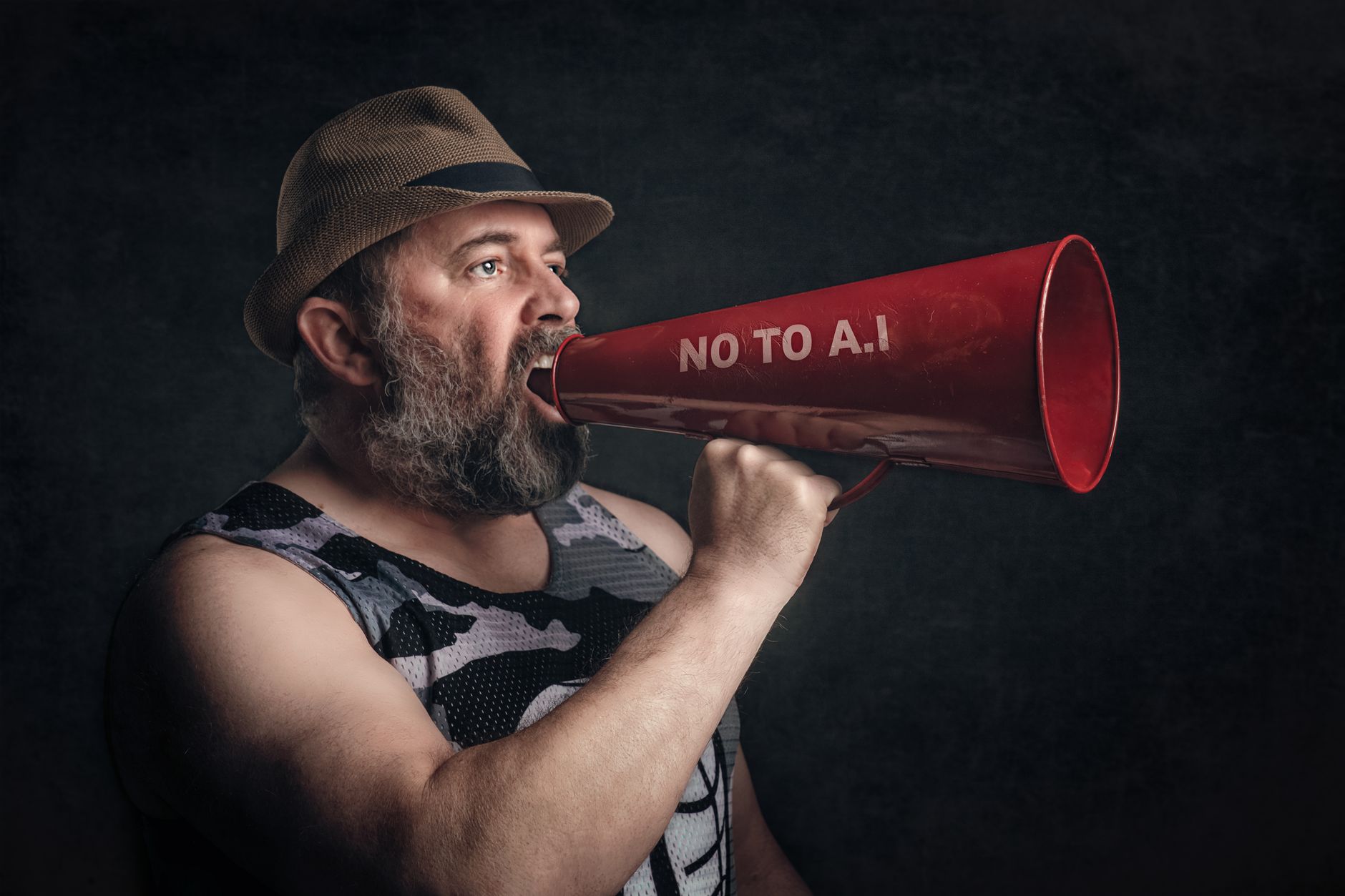
AI anxiety is becoming a pressing issue, especially as Bill Gates voices his concerns about the implications of artificial intelligence.
Understanding AI Anxiety
As artificial intelligence continues to evolve, many individuals are experiencing a phenomenon known as AI anxiety. This term refers to the growing unease and concern surrounding the potential implications of advanced AI technologies on society and individual lives. During a recent event in Telluride, Bill Gates emphasized several key issues that contribute to this anxiety.
Among the most pressing concerns highlighted by Gates are:
- Job displacement: The fear that AI will replace human jobs, leading to significant unemployment rates and economic instability.
- Ethical dilemmas: Questions surrounding the moral implications of AI decision-making, particularly in fields like healthcare and law enforcement.
- Privacy risks: The potential for AI systems to infringe on personal privacy, raising fears about surveillance and data misuse.
- Control and autonomy: Concerns about the extent to which humans may lose control over AI systems, leading to unintended consequences.
These factors contribute to a climate of uncertainty, prompting calls for greater regulation and thoughtful discourse on the future of AI technologies.
Bill Gates’ Warning on AI
In a recent discussion at the Telluride Film Festival, Bill Gates expressed his concerns regarding the potential impact of artificial intelligence, shedding light on the phenomenon known as AI anxiety. He emphasized the need for careful oversight and ethical considerations as AI technology continues to evolve.
Gates pointed out that while AI holds significant promise for advancements in various fields, it also brings forth a series of challenges that society must address. He outlined several key areas of concern:
- Job Displacement: The rise of AI could lead to massive unemployment as machines take over tasks traditionally performed by humans.
- Security Risks: With AI capabilities growing, the potential for misuse increases, raising questions about national security and public safety.
- Ethical Dilemmas: The development of autonomous systems poses moral questions that need to be navigated carefully.
- Regulatory Challenges: Governments and institutions must create frameworks to manage AI advancements responsibly.
Gates concluded by urging for proactive measures to mitigate these risks, underscoring the urgency of addressing AI anxiety in the age of rapid technological change.
The Impact of AI on Business
The advent of artificial intelligence has sparked significant AI anxiety among business leaders and entrepreneurs. As Bill Gates has articulated, the implications of AI technology on various industries could be profound and far-reaching.
One major concern is the potential for job displacement. Many industries may see a disruption as AI systems take over tasks traditionally performed by humans. This shift could lead to:
- Increased unemployment: Workers may find themselves replaced by machines, leading to economic instability.
- Skills gap: The demand for tech-savvy employees will rise, leaving those without these skills at a disadvantage.
- Business model disruption: Companies may need to adapt quickly to incorporate AI, risking failure if they cannot keep pace.
Moreover, the ethical considerations surrounding AI usage cannot be ignored. Issues such as data privacy, bias in algorithms, and accountability for AI decisions are pressing matters that businesses must address. Failure to navigate these challenges could further exacerbate AI anxiety and lead to a loss of public trust.
How AI Anxiety Affects Workers
The rise of artificial intelligence has brought forth a wave of AI anxiety among workers across various industries. As businesses increasingly integrate AI technologies, many employees are left wondering about their job security and the future of their roles.
Several key concerns contribute to this anxiety:
- Job Displacement: Many fear that AI will automate tasks traditionally performed by humans, leading to significant job losses.
- Skill Gaps: Workers may feel unprepared to adapt to new technologies, fearing they lack the necessary skills to thrive in an AI-driven environment.
- Workplace Dynamics: The introduction of AI can alter team dynamics, causing tension as employees adjust to collaborating with machines.
- Decision-Making Power: Employees might worry about losing control over their work as AI systems take on more decision-making responsibilities.
This anxiety can lead to decreased morale and productivity, as workers grapple with uncertainty about their futures. As Bill Gates highlighted, addressing these concerns is crucial for fostering a healthy workplace where humans and AI can coexist and complement each other’s strengths.
Public Perception of AI Technology
The public perception of AI technology has shifted significantly in recent years, particularly as influential figures like Bill Gates express their concerns. Many individuals are grappling with AI anxiety, a term that encapsulates the fear and uncertainty surrounding the rapid advancement of artificial intelligence.
People are increasingly aware of the potential consequences of AI integration into everyday life. The following factors contribute to the growing unease:
- Job Displacement: Workers worry about the future of their employment as AI systems become more capable and widespread.
- Ethical Concerns: There are fears regarding the ethical implications of AI, including bias in decision-making and the lack of accountability.
- Privacy Issues: With AI’s ability to collect and analyze vast amounts of data, people are concerned about their personal information being compromised.
- Lack of Understanding: Many individuals feel overwhelmed by the complexities of AI technology, leading to a sense of helplessness.
As society continues to navigate these challenges, addressing AI anxiety will be crucial for fostering a more informed and confident public discourse on the topic.
Addressing Concerns About AI
As discussions around artificial intelligence (AI) continue to grow, addressing concerns about AI anxiety has become increasingly important. Many experts, including Bill Gates, have raised alarms regarding the potential risks and implications of this rapidly evolving technology.
One major concern is the ethical implications of AI development. Experts stress the need for strong regulatory frameworks to ensure that AI is used responsibly and ethically. They argue that without proper oversight, AI could lead to significant societal shifts that may not be in the public’s best interest.
Additionally, there are fears that job displacement could become a reality for many workers, leading to increased AI anxiety. The advent of automation in various sectors raises questions about the future of employment and the skills necessary to thrive in an AI-driven economy.
Moreover, public perception plays a crucial role in shaping the conversation around AI. Many individuals express confusion and apprehension regarding AI technologies, highlighting the need for better education and communication about the benefits and risks involved.
In summary, addressing AI anxiety involves tackling ethical concerns, preparing for workforce changes, and improving public understanding of AI technology.
Future Trends in AI Development
As the landscape of artificial intelligence continues to evolve, several future trends are emerging that may exacerbate AI anxiety among the public and professionals alike. Experts predict that the integration of AI into everyday life will become more pervasive, leading to a growing reliance on these technologies across various sectors.
One significant trend is the accelerated development of AI systems capable of performing complex tasks traditionally handled by humans. This shift raises concerns about job displacement and the ethical implications of decision-making processes being transferred to machines.
Moreover, the increase in autonomous systems could lead to unpredictable outcomes, further fueling anxiety about the potential consequences of AI mismanagement. As Bill Gates pointed out, the risk of unintended consequences from AI advancements must be addressed proactively.
Additionally, the rise of AI in personal data collection and surveillance poses privacy concerns that could lead to public backlash. The need for transparent guidelines and regulations is becoming crucial to mitigate these worries.
In summary, as AI technology advances, addressing the implications of these trends will be vital in alleviating AI anxiety and fostering a more informed dialogue about the future of artificial intelligence.
Navigating the AI Landscape
The rapid advancement of artificial intelligence has sparked significant AI anxiety among various stakeholders, from tech enthusiasts to everyday workers. As we navigate the AI landscape, it is essential to consider the multifaceted concerns that arise. Bill Gates, a prominent figure in technology, has highlighted several key issues that warrant attention.
One major concern is the ethical implications of AI systems, particularly regarding bias and decision-making transparency. Many fear that unchecked AI could perpetuate existing inequalities or even create new ones. Furthermore, the pace of AI development poses challenges for regulatory bodies, which often struggle to keep up with the technology’s rapid evolution.
Another pressing issue is job displacement. With automation taking over tasks traditionally performed by humans, workers in various industries face uncertainty about their futures. This leads to heightened anxiety as individuals grapple with the possibility of obsolescence in their careers.
Lastly, the need for public education on AI technologies cannot be overstated. Enhancing understanding can alleviate some of the fears surrounding AI and encourage a more informed discourse on its capabilities and limitations.
Photo by Murry Lee on Pexels
Read the original
Samsung Galaxy A18: Exciting Specs and Price Revealed! · BlizzCon 2026 announcements: What are the best reveals? · Nintendo Switch 2 features: Best Update with Proven VRR Support